
Exploring Composition and Lighting in Mobile Photography: Tips for Capturing Stunning Images with Your Smartphone
Unleashing the Power of Mobile Photography
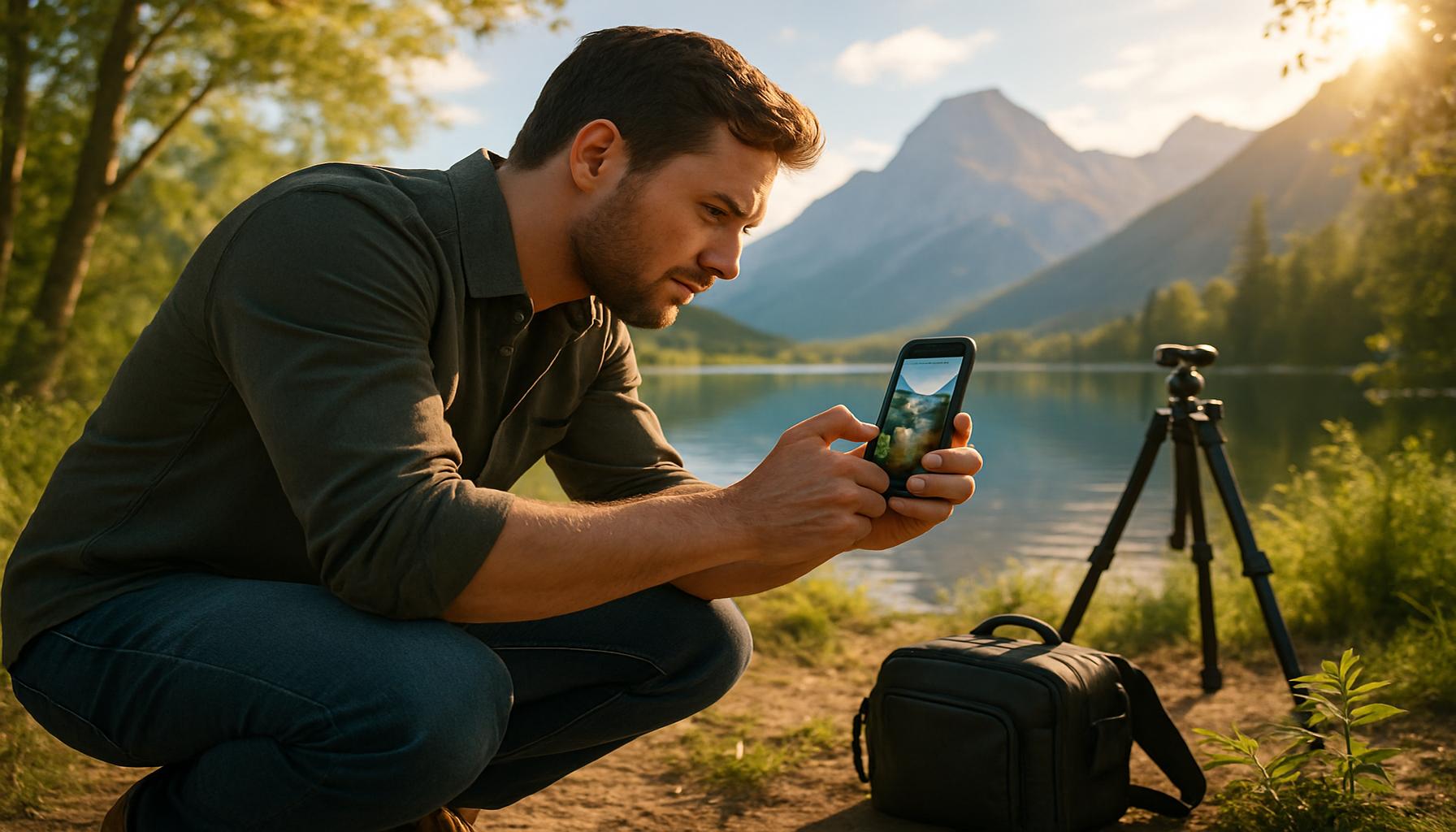
Mobile photography has revolutionized how we capture and cherish life’s fleeting moments. With advancements in smartphone technology, including sophisticated camera systems, artificial intelligence enhancements, and user-friendly interfaces, virtually everyone has the opportunity to create stunning images without the need for professional-grade equipment. As a result, mastering composition and lighting is not merely beneficial; it is essential for anyone looking to elevate their photography skills and create impactful visuals.
Why Focus on Composition and Lighting?
Understanding the principles of composition and lighting can dramatically enhance your photography. A well-composed shot can turn an ordinary scene into a captivating narrative, while effective lighting can evoke emotions and highlight details. Here are some key elements to consider:
- Rule of Thirds: This classic composition technique involves dividing your image into a grid of nine equal segments and placing the main subject along these lines or at their intersections. This creates a more dynamic and visually appealing photograph than simply centering the subject.
- Leading Lines: Incorporating natural lines, such as roads, fences, or rivers, can guide the viewer’s eyes through the image. This technique not only directs attention to your subject but also adds depth and perspective.
- Lighting Quality: The time of day significantly affects your images. Photographers often speak of the “golden hour,” the hour after sunrise and before sunset when the light is softer and the colors are warmer. This type of light enhances texture and depth in photographs.
These techniques are not limited to professionals; anyone can use them. By experimenting with simple methods in everyday situations—like capturing a sunset at the beach or family gatherings—you can transform even the most mundane subjects into captivating works of art.
Tools of the Trade
Modern smartphones come loaded with features designed to aid in achieving excellent composition and lighting:
- Camera Grids: Most smartphones allow users to activate grid overlays that assist in applying the rule of thirds, ensuring balanced compositions.
- Manual Settings: Some mobile camera apps offer manual settings that allow users to adjust exposure, ISO, and focus. This opens up new creative possibilities for those willing to explore beyond automatic settings.
- Editing Apps: Post-capture editing software, such as Adobe Lightroom or Snapseed, enables photographers to enhance their images after they have been taken. Features such as cropping, color correction, and filters can help you achieve the desired artistic effect.
With dedication and creativity, anyone can improve their mobile photography skills. By diving deeper into the art of composition and lighting, you can unlock the full potential of your smartphone and produce images that resonate and inspire. Whether documenting a family excursion, a night out with friends, or simply the beauty of nature, remember that the world around you is a canvas waiting to be captured.
DIVE DEEPER: Click here to discover how to turn your everyday moments into art</p
Mastering Composition Techniques for Stunning Photos
Composition serves as the backbone of impactful photography. It determines how the elements within your frame interact and resonate with viewers. With mobile photography, understanding composition is crucial for creating images that not only appear professional but also convey a strong artistic message. Here are several essential techniques that every mobile photographer should keep in mind:
- Framing: Utilize natural elements like trees, doorways, or archways to frame your subject. This technique guides the viewer’s focus and adds context to the photograph, creating a more immersive experience.
- Symmetry and Patterns: Look for symmetrical scenes and repetitive patterns in your surroundings. Symmetry can create a sense of balance and harmony in your images, while patterns can add visual intrigue, drawing the eye across the frame.
- Foreground Interest: Adding elements in the foreground can create depth and dimension to your photographs. This approach encourages viewers to explore the image from front to back, making for a more engaging visual experience.
- Contrast and Color: Use contrasting colors and tones to make your subject stand out. For example, a bright subject against a muted background can create a striking visual appeal. Experiment with color to convey mood and emotion in your pictures.
Each of these composition techniques invites creativity and personal expression. By remembering to look beyond the obvious and exploring your surroundings with a keen eye, you can elevate your mobile photography to new heights.
The Art of Lighting in Mobile Photography
Lighting is arguably the most critical aspect of photography, influencing mood, tone, and visibility. Mastering lighting techniques allows you to enhance your images significantly. Here are some key lighting strategies tailored for mobile photographers:
- Natural Light: Whenever possible, rely on natural light sources. The soft, diffused light during early mornings or late afternoons offers great opportunities for breathtaking photography. Avoid harsh midday sunlight, as it can create unflattering shadows and overexposed highlights.
- Backlighting: When the light source is behind your subject, it creates a beautiful halo effect. Experimenting with backlighting can add a lift to your images, especially when capturing subjects like silhouettes or a sun-kissed landscape.
- Artificial Light: If you find yourself in low-light conditions, don’t shy away from using the flashlight mode on your smartphone or external light sources. Properly placed artificial lighting can dramatically improve photo quality without relying solely on natural light.
- Golden Hour: As mentioned previously, the “golden hour” is a photographer’s dream. During this time, the sun is low in the sky, and the resulting warm tones create a magical atmosphere perfect for any subject.
By mastering these lighting techniques, you can dramatically change the way your mobile photos are perceived and appreciated. Lighting doesn’t just illuminate your subject; it adds personality, drama, and uniqueness to every shot.
Combining your knowledge of composition and lighting will enhance your creative process and produce photographs that captivate your audience. With just a little intention and practice, you’ll be able to transform everyday moments into extraordinary memories through your smartphone lens.
Exploring Composition
When it comes to mobile photography, composition serves as the backbone that supports your visual storytelling. Whether you’re snapping a candid moment or crafting a polished scene, the way you arrange elements within your frame significantly influences your photograph’s impact. The “Rule of Thirds” is a traditional guideline that can easily be applied to smartphone cameras. Imagine dividing your screen into three equal horizontal and vertical sections. Positioning your subject along these lines or at their intersections can create a more dynamic and balanced image.
Additionally, consider the concept of leading lines. This technique guides the viewer’s eye through the photograph and can be effectively executed using roads, pathways, or any line that leads towards the primary subject. Experimenting with these compositional rules not only improves the aesthetics of your images but also enhances their storytelling potential.
Mastering Lighting
As crucial as composition, mastering lighting can transform an ordinary photo into something breathtaking. Natural light is your best friend, so understanding how to manipulate it is essential. The golden hour, which occurs shortly after sunrise and before sunset, provides soft, warm lighting that’s perfect for outdoor photography. If you’re shooting indoors or in less than ideal light conditions, avoid using the smartphone’s flash, as it can lead to harsh shadows and overexposure. Instead, try to find a source of natural light, such as a window, or use creative strategies like adding reflective surfaces to bounce light onto your subject.
Moreover, pay attention to the contrasts created by shadows and highlights. A well-lit subject against a contrasting background can create a striking image. Experiment with different angles to see how they affect the light in your composition. Combining these lighting techniques with strong composition will lead to stunning smartphone photography that captures the viewer’s attention.
| Advantages of Composition | Advantages of Lighting |
|---|---|
| Enhances Visual Appeal | Creates Mood and Atmosphere |
| Tells a Story Effectively | Highlights Key Elements |
By understanding and applying these elements, you’re not only enriching your photography skills but also inviting viewers to experience your point of view in an engaging and profound way. Stay tuned for more insights that can elevate your mobile photography to professional levels.
DIVE DEEPER: Click here for expert tips on mobile photography
Utilizing Advanced Techniques for Dynamic Shots
While understanding the fundamental principles of composition and lighting is crucial for any mobile photographer, venturing into advanced techniques can elevate your images even further. Contact your creativity in unexpected ways and transform your smartphone shots into captivating pieces of art. Here are several innovative methods to explore:
- Rule of Thirds: A classic compositional technique that involves dividing your image into a 3×3 grid. Position your subject along the grid lines or at their intersections. This method creates a more balanced and engaging composition, steering clear of a static central subject and inviting the viewer’s eye to navigate the entire frame.
- Leading Lines: Use natural lines in your environment, such as roads, pathways, or rivers, to guide the viewer’s gaze towards the subject. Leading lines create depth and a sense of direction in your compositions, empowering the audience to embark on a visual journey through your photo.
- Experiment with Angles: Change your perspective by shooting from varying heights and angles. A low-angle shot can convey strength and power, while a bird’s-eye view can reveal patterns that might otherwise go unnoticed. Engaging with different viewpoints can turn a mundane subject into something extraordinary.
- Layering: Incorporate multiple layers in your compositions to add complexity. Use a mixture of foreground, midground, and background elements to draw the viewer into the scene. This technique adds a three-dimensional quality that encourages spectators to linger over the details within your frame.
Embracing these advanced compositional techniques can transform a simple photo into a profound visual narrative. As you experiment and adapt these strategies, you will find your unique voice and style emerge, making your photographs truly original.
Post-Processing: Enhancing Your Images
With mobile photography, the power of editing comes hand-in-hand with capturing the shot. Post-processing is where you can refine your images, enhancing their visual appeal even further. Here are some essential post-processing tips tailored to smartphone users:
- Use Editing Apps: There are countless editing apps available on both iOS and Android platforms, such as Snapseed, Lightroom, and VSCO. Familiarize yourself with these tools to make the most of your images, allowing you to adjust brightness, contrast, saturation, and sharpness easily.
- Experiment with Filters: Filters can dramatically alter the mood and aesthetic of your photos. While it’s essential to avoid over-filtering, a subtle enhancement can transform a standard shot into something truly mesmerizing. Use filters to convey emotion, match a theme, or simply add a touch of creativity.
- Crop Strategically: Cropping is a powerful tool in the editing process. Sometimes, a simple crop can improve your composition drastically by removing distracting elements or reinforcing the rule of thirds. Don’t hesitate to experiment with different crops until you find what best captures the essence of your photograph.
- Sharpen and Clarity: Focusing on details can elevate your images. Use sharpening tools available in editing apps to enhance the finer aspects of your work, ensuring that details stand out without looking unnatural.
By incorporating thoughtful post-processing techniques, you’ll bring an added layer of artistry and professionalism to your mobile photography. Mastering these aspects ensures your images resonate with viewers, making each photograph a striking and memorable moment captured through your smartphone lens.
DIVE DEEPER: Click here to uncover the evolution of painting
Conclusion
In the realm of mobile photography, understanding composition and lighting is just the beginning of your creative journey. By mastering foundational techniques, such as the rule of thirds and the use of natural light, you set the stage for captivating images that resonate with viewers. However, as we have explored, pushing the boundaries with advanced techniques like leading lines and layering can significantly enhance storytelling, offering a multifaceted experience through your photographs.
Moreover, the power of post-processing cannot be understated. Applying thoughtful edits can breathe new life into your images, allowing you to emphasize details that might otherwise go unnoticed. Whether it’s through filters that evoke emotion or strategic cropping that sharpens your composition, these steps ensure that your smartphone captures not just a moment, but a vivid narrative.
Ultimately, the essence of mobile photography lies in experimentation and personal expression. By constantly exploring new techniques and refining your skills, you cultivate a distinctive style that speaks to your vision. Mobile photography empowers everyone to tell their stories beautifully—so grab your smartphone, embrace the art of composition and lighting, and embark on an exciting photographic adventure. As you capture the world around you, remember that the only limit is your creativity.

Linda Carter
Linda Carter is a writer and creative hobbies expert specializing in crafting, DIY projects, and artistic exploration. With extensive experience helping individuals discover their creative potential and bring their ideas to life, Linda shares her knowledge on our platform. Her goal is to empower readers with practical tips, inspiring ideas, and step-by-step strategies for success in the world of creative hobbies.