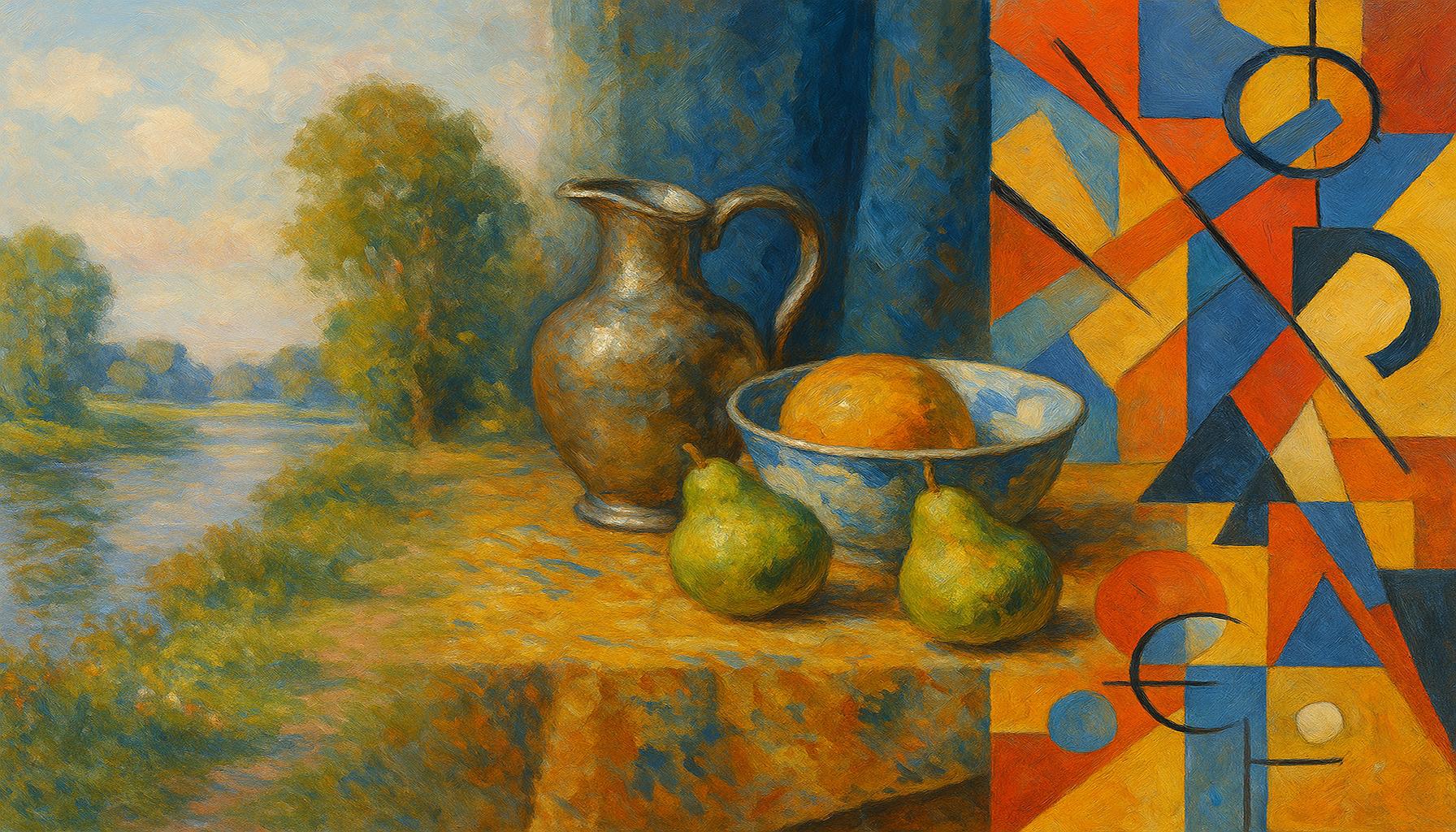
The Importance of Color in Painting: Psychology and Emotions
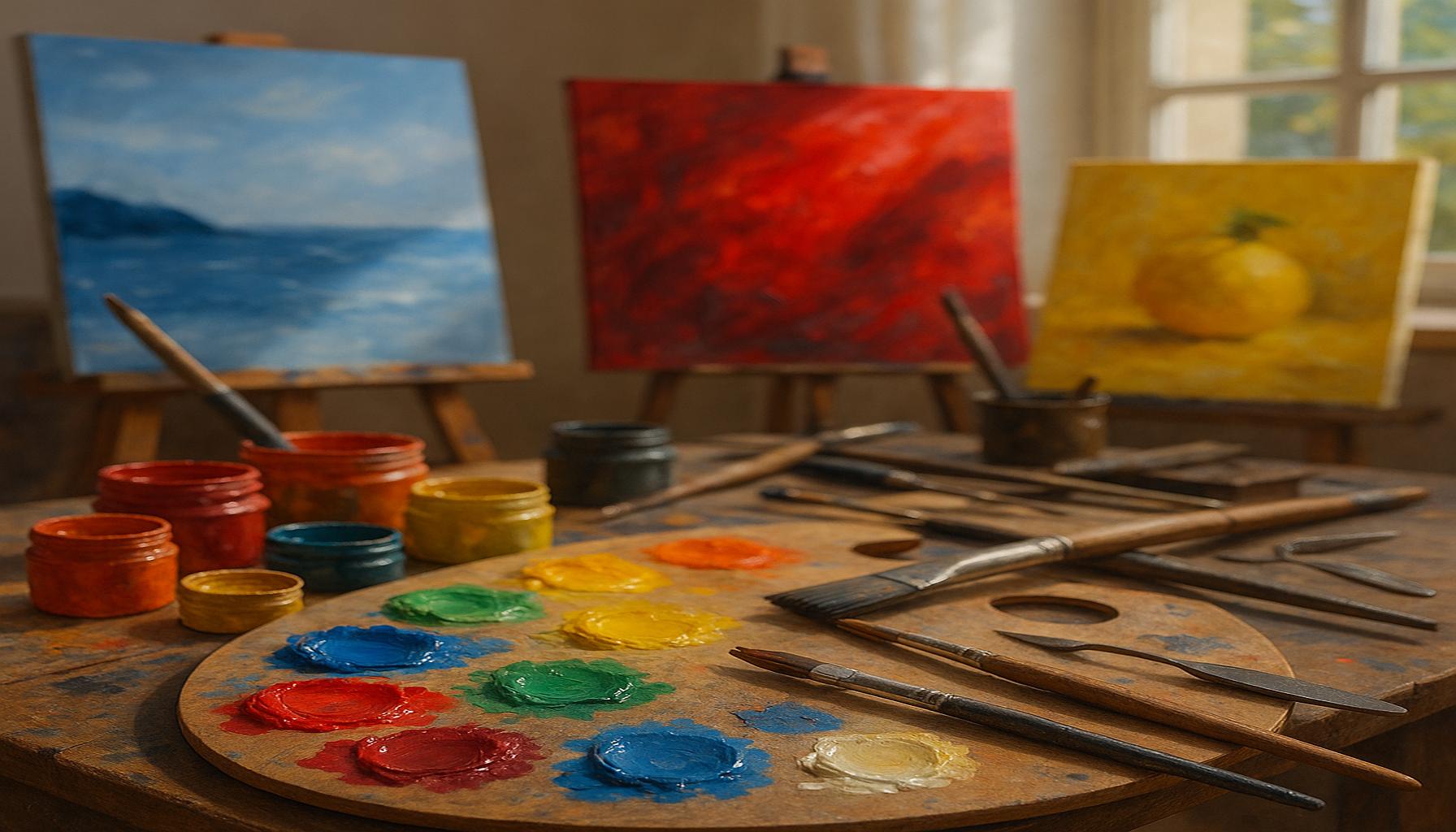
The Impact of Color on Emotions and Perceptions
Color plays an integral role in our daily lives, influencing moods, thoughts, and behaviors in ways we often overlook. As a potent visual element, colors possess the ability to invoke emotional responses and shape our perceptions of the world around us. Artists harness this power in their paintings, using specific hues to evoke particular feelings, magical narratives, and profound connections with viewers. The result is an enhanced, enriching experience that goes beyond mere aesthetics.
The Language of Colors
Colors communicate emotions and concepts that are often deeply embedded in our cultural experiences. For example:
- Red: This vibrant color symbolizes passion, anger, and excitement. Think of a bright red heart representing love or a bold red stop sign conveying urgency. In paintings, dominant reds can evoke powerful feelings, often creating a sense of intensity and drama.
- Blue: Often associated with calmness, sadness, and tranquility, blue can create peaceful imagery reminiscent of a clear sky or a gentle ocean. Artistic masterpieces featuring cool blues can instill a sense of serenity, inviting viewers to pause and reflect.
- Yellow: This bright and cheerful color signifies happiness, energy, and optimism. Paintings that utilize bold yellows can convey a lively atmosphere, much like the sunniness of a bright summer day, filled with joy and enthusiasm.
- Green: This color symbolizes nature, growth, and renewal. In art, greens often represent vitality and harmony, reminding viewers of flourishing landscapes or lush gardens, reinforcing the connection between human emotions and the natural world.
Consequently, the way we interpret paintings can vary significantly depending on their color schemes. A work dominated by cool blues might evoke feelings of serenity, while a canvas splashed with vibrant yellows and reds is more likely to generate an energetic vibe, stirring viewers into action.
Across Cultures and Contexts
The interpretation of color is not uniform; cultural perspectives significantly influence its meanings. For instance:
- In Western cultures, black is commonly associated with mourning and is often worn at funerals. This connection can influence how black is perceived in art, where it might convey themes of loss or grief.
- Conversely, in many Eastern cultures, white holds a similar connotation of mourning during funerals, surprising many who associate it more with purity and peace in the West.
These cultural nuances reveal the depths of emotional interpretation within various artworks. Understanding the interplay between color, psychology, and emotion allows audiences to appreciate the intricacies in art more richly. As you explore paintings and other artistic endeavors, consider how color choice affects your interpretation and emotional reaction. By doing so, you not only enhance your own viewing experience but also open the door to a world of deeper artistic expression. The journey through colors—its meanings, implications, and emotional triggers—invites viewers to discover more about both the art and themselves.
DISCOVER MORE: Click here to uncover the art of mobile photography
Understanding Color Theory in Art
The study of color theory is crucial for artists looking to manipulate emotions and perceptions through their work. Color theory is the science and art of using color, providing a framework that artists can use to create visually appealing and emotionally charged pieces. By understanding how colors interact, blend, and contrast, artists can evoke specific feelings and reactions from their audience.
The Color Wheel and Its Significance
At the heart of color theory is the color wheel, a circular diagram that organizes colors based on their relationships. The primary colors—red, blue, and yellow—serve as the foundation for creating all other colors. When combined, these primary hues generate secondary colors (green, orange, and purple), while mixing primary and secondary colors produces tertiary colors. Artists utilize the color wheel to explore concepts such as:
- Complementary Colors: Colors that are opposite each other on the wheel (such as red and green) create a striking visual impact. When placed together, complementary colors intensify one another, drawing attention to specific elements in a painting.
- Analogous Colors: These are colors that are adjacent to each other on the wheel (like blue, blue-green, and green), and they often harmonize beautifully. Artists often use analogous colors to create a sense of unity and tranquility within their work.
- Warm and Cool Colors: Warm colors (reds, oranges, yellows) evoke feelings of warmth, excitement, and energy, while cool colors (blues, greens, purples) often evoke calmness and serenity. The balance between warm and cool hues can greatly affect the emotional tone of a painting.
By strategically employing these principles, artists can transform blank canvases into vibrant storytelling mediums that resonate with audiences on an emotional level. For instance, a painting that employs bold warm colors in its foreground might create a sense of urgency or passion, while soft cool colors in the background might instill a feeling of contemplation or introspection. In this manner, color becomes a powerful tool in the artist’s arsenal, allowing them to craft narratives that speak to the viewer’s heart and mind.
The Role of Color in Cultural Interpretation
Art does not exist in a vacuum; it reflects and reacts to the cultural context in which it is created. The psychology of color can differ dramatically across cultures, affecting how colors are perceived and experienced. For example:
- Red may symbolize good fortune and happiness in some Asian cultures, whereas in Western contexts, it is often linked to love or danger.
- Purple is a color associated with royalty and luxury in many Western cultures but may hold other symbolic meanings in different societies.
These varied interpretations serve as a reminder that color is not merely a visual phenomenon; it is also a cultural language laden with meaning and significance. When viewing a piece of art, it becomes essential to consider not only the emotional possibilities presented by color but also the cultural influences that shape those meanings. This multi-dimensional aspect of color further enhances the viewer’s experience and understanding of the artwork, as they navigate the complex tapestry of colors, emotions, and cultural contexts.
The Role of Color in Evoking Emotions
Color is more than just a visual experience; it influences our emotions and psychological states in profound ways. In the realm of art, painters use colors intentionally to evoke specific emotional responses from their audience. For instance, warm colors like reds and oranges are often associated with feelings of warmth, energy, and passion, while cool colors, such as blues and greens, tend to evoke calmness and tranquility.
Artists have long recognized that color can be a powerful tool in conveying narratives and themes. For example, the vivid use of red in a painting may symbolize love or violence, depending on the context in which it is used. Similarly, the use of black can signify mourning or elegance, showcasing the duality of perception that color can create. This psychological impact of color extends beyond simple aesthetics; it plays a crucial role in the viewer’s interpretation and emotional engagement with the artwork.
Color Theory and Its Psychological Implications
Understanding color theory is essential for both artists and art lovers alike. Complementary colors create a sense of balance and harmony, which can promote feelings of stability and comfort. On the other hand, contrasting colors can create visual tension, leading to feelings of unease or excitement. This interplay between colors can significantly alter how a piece of art is received and interpreted. Research has shown that specific colors can lead to measurable physiological responses, such as increased heart rates or altered moods, further reinforcing the importance of color in the art world.
Moreover, cultural influences also shape our perception of color. In some cultures, a particular color may carry deeply ingrained meanings, while in others, it may represent entirely different concepts. This makes the study of color psychology not only a fascinating subject but also a critical tool for artists aiming to communicate effectively with their audience.
In summary, the psychological and emotional significance of color in painting is an intricate tapestry woven with threads of theory, cultural interpretation, and emotional response. Understanding these nuances can deepen one’s appreciation for art and its potential to influence human emotions profoundly.
| Category | Benefits |
|---|---|
| Emotional Impact | Understanding how colors influence feelings can enhance emotional engagement in art. |
| Cultural Significance | Colors carry different meanings across cultures, enriching the interpretative experience. |
DIVE DEEPER: Click here to discover how journaling can boost your mental health
The Emotional Resonance of Color in Art
Beyond its technical applications, color serves as a profound catalyst for evoking emotions and triggering psychological responses in viewers. Artists intuitively understand that the psychology of color plays a critical role in shaping the viewer’s experience, often leveraging this knowledge to communicate complex feelings without uttering a single word.
The Impact of Color on Mood
Different colors have been shown to affect human mood in distinct ways. For instance, research indicates that blue can have a calming effect, often associated with tranquility and introspection. Many artists harness this quality to elicit somber or reflective moods in their work. Conversely, colors such as yellow are often interpreted as warm and cheerful, prompting feelings of happiness and optimism. An artist strategically employing yellow may wish to induce a sense of joy or liveliness within their audience.
Consider how famous artists have utilized color to convey emotional depth. Take Vincent van Gogh, for example; his vibrant use of color, particularly yellows and blues, envelops his works in a palpable intensity that speaks to both turmoil and beauty. In contrast, a painting that heavily features darker colors like black and navy may evoke feelings of sadness or despair, showcasing the artist’s inner struggles, as seen in the works of Pablo Picasso during his blue period.
The Effect of Color Combinations
The relationship between colors can further amplify their emotional impact. For instance, the combination of red and black might create a sense of foreboding or aggression, while green and white can evoke freshness and purity. Artists often experiment with these combinations to elicit layered emotional responses. The study of color harmony and contrast not only influences the visual appeal of a painting but also determines the underlying emotional narrative that unfolds within the piece.
- Triadic Combinations: Utilizing three colors that are evenly spaced on the color wheel, artists can generate a vibrant look that can enhance emotional tension. For example, a triadic combination of red, blue, and yellow allows the viewer’s eye to dance across the canvas, creating energy and excitement.
- Monochromatic Schemes: By using varying shades and tints of a single color, artists can convey a range of emotions while maintaining visual coherence. A monochromatic blue painting can shift from serene to melancholic based on the selection of lighter or darker tones.
<h3.Color and Personal Interpretation
What makes the impact of color even more fascinating is the personal interpretation that colors evoke in individuals. Each viewer brings their own experiences and associations to a work of art, resulting in varied emotional reactions to the same color. For instance, while one individual may experience nostalgia when seeing a particular shade of orange, another might recall a negative memory linked to that hue. This deeply personal connection underscores the importance of understanding not just color theory, but the socio-emotional landscape that surrounds color usage in painting.
Ultimately, the implications of color in painting extend far beyond aesthetics; they delve into the realm of human emotions and cognitive responses, offering a profound tool for artists who seek to convey complex narratives and provoke thought and contemplation in their audience. The rich emotional language of color continues to captivate artists and art enthusiasts alike, encouraging ongoing exploration of its power and significance in the world of visual expression.
DISCOVER MORE: Click here to delve deeper
Conclusion: The Significance of Color in Artistic Expression
In summary, the interplay between color, psychology, and emotion enriches the world of painting in profound ways. As we’ve explored, colors transcend mere aesthetics to serve as powerful communicators of feeling and intent. From the soothing qualities of blue that promote calmness to the exhilarating vibrancy of yellow that ignites joy, the emotional palette available to artists is as diverse as their inspirations.
Moreover, the nuanced combinations and contrasts of colors invite viewers into an intricate dialogue, where each observer brings their own experiences and interpretations into play. This subjectivity adds layers of depth to the emotional narratives embedded within artwork, making the experience uniquely personal for each individual. Not only do successful artists like Van Gogh and Picasso demonstrate mastery of color to express longing, beauty, and despair, but they also leave us with a legacy that prompts ongoing exploration and discussion.
As we engage with paintings, understanding the emotional undercurrents of color can enhance our appreciation and deepen our connections to the artwork. Therefore, color in painting is not simply an essential design element but a crucial component that shapes psychological and emotional experiences. As we continue to delve into this captivating study, we are reminded that art, much like life, is a spectrum of emotions waiting to be explored. Whether through visiting galleries, participating in workshops, or experimenting with our creations, the journey into the significance of color in painting opens the door to endless possibilities.

Linda Carter
Linda Carter is a writer and creative hobbies expert specializing in crafting, DIY projects, and artistic exploration. With extensive experience helping individuals discover their creative potential and bring their ideas to life, Linda shares her knowledge on our platform. Her goal is to empower readers with practical tips, inspiring ideas, and step-by-step strategies for success in the world of creative hobbies.