Outdoor Painting: Capturing Nature and Light
The Fascinating Intersection of Nature and Artistic Expression
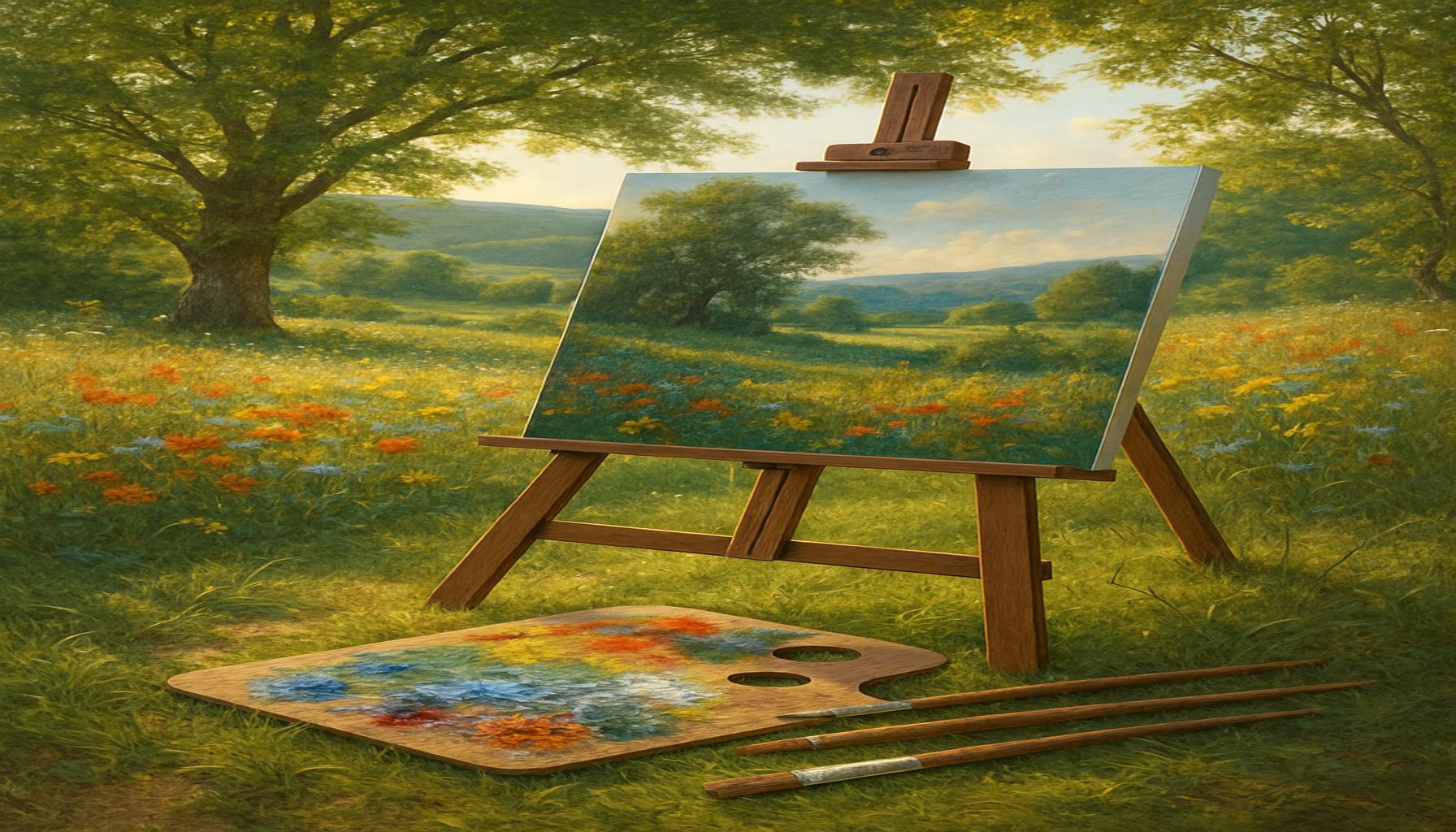
Imagine standing in a vibrant meadow, where colors burst around you like an artist’s palette and the gentle breeze carries the whispers of inspiration. Outdoor painting invites artists to step beyond the confines of their studios and immerse themselves in nature’s beauty, allowing the changing environment to invigorate their creativity. This practice not only enhances an artist’s technical skills but also fosters a profound connection with the world around them.
As the sun arcs across the sky, it dramatically transforms landscapes, revealing breathtaking nuances that artists strive to capture. Numerous elements come into play when painting outdoors, each contributing to the unique character of a scene:
- Natural Light: The shifting illumination profoundly impacts the visual landscape, influencing colors, shadows, and even emotional undertones. For example, the golden hour just before sunset creates long shadows and warm hues that can evoke feelings of nostalgia or tranquility in a painting.
- Seasonal Variations: Each season brings its own distinct palette: the fiery oranges and reds of autumn foliage contrast starkly with the soft pastels of spring blooms. Artists like Claude Monet captured these seasonal shifts brilliantly in his series of haystacks, illustrating how differing light conditions can alter perception.
- Textural Details: The intricate details found in nature—like the delicate veins of leaves, the shimmering surface of water, or the rugged texture of tree bark—offer abundant inspiration. These elements invite artists to explore various techniques, from impasto to fine brushwork, to express these textures authentically.
Outdoor painting transcends mere technique, serving as an engaging way to observe and interpret the world around us. Artists frequently gather in picturesque locations, from the majestic landscapes of the American West, such as the breathtaking Grand Canyon, to the tranquil serenity of lakes nestled in the Midwest. Shared experiences among painters not only enhance individual skills but also create a supportive community where knowledge and techniques can be exchanged.
This artistic journey encourages both budding talents and seasoned professionals to embrace the simplicity and richness of being outdoors. By venturing into diverse environments—whether painting along a foggy coastal shore in Maine or amidst the blooming wildflowers of Texas—artists enhance their understanding of light and nature’s effects on their work. This exploration ultimately leads to profound growth in their artistry as they learn how to convey the fleeting beauty of nature in their painting.
In essence, outdoor painting is a celebration of creativity and connection—a reminder that the world is not only to be observed but also to be interpreted and expressed in myriad forms. As artists step out into the vibrant tapestry of nature, they invite others to experience its beauty through their eyes, fostering both appreciation and inspiration in the minds of those who engage with their work.
DIVE DEEPER: Click here to discover the benefits of journaling
Embracing the Elements: The Unsung Benefits of Outdoor Painting
Outdoor painting is not only an artistic pursuit but also a profound experience that immerses artists in the environment. The rhythm of nature serves as a teacher, guiding artists through a sensory journey that extends beyond the canvas. Engaging with elements such as wind, temperature, and the sounds of wildlife enhances both the creative process and emotional resonance of each artwork. As artists learn to navigate and adapt to these conditions, they discover valuable lessons that translate into their work.
One of the remarkable aspects of painting outdoors is the opportunity to witness firsthand the dynamic relationship between light and landscape. Artists must learn to be observant and agile, as the quality of light changes not just hourly but also moment-to-moment. The shadows cast by trees can shift dramatically as clouds occasionally obscure the sun, altering the scene’s mood. This element of unpredictability fosters a sense of urgency and excitement, challenging artists to capture the essence of a moment before it slips away.
Moreover, outdoor painting promotes a deepened appreciation for seasonal cycles. Every trip outside can yield different results based on factors such as temperature and weather. For instance, a summer day may deliver a bright and cheerful scenery adorned with lush greens, while a winter afternoon might offer a stark, minimalist palette of whites and grays. By adapting to these seasonal variations, artists can expand their vocations creatively and technically.
As artists navigate through their painting practice in outdoor settings, they can benefit from various practical strategies:
- Plan Your Location: Researching potential sites based on the time of year and the quality of light can significantly enhance the painting experience. National parks like Yellowstone or Acadia National Park are rich in natural beauty and provide breathtaking backdrops for any artist.
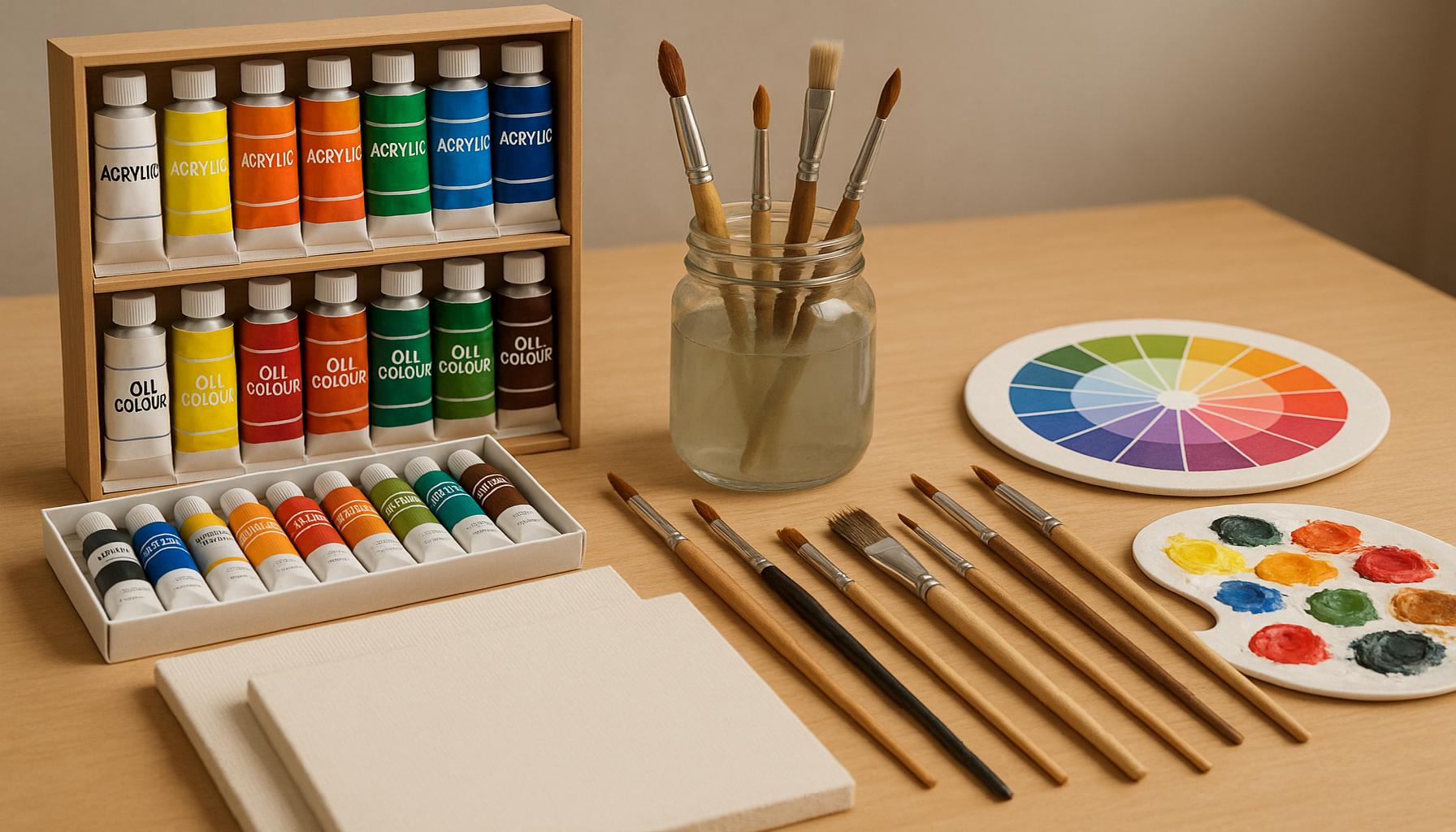
- Gather Essential Supplies: Artists should equip themselves with portable easels, quick-drying paints, and adequate protective gear. Lightweight, easy-to-carry materials can make a significant difference, allowing for more spontaneous painting sessions.
- Practice Observational Skills: Spend time studying the interplay of light and shadow prior to starting on the canvas. Understanding how light alters colors and forms is crucial for accurately depicting the landscape.
- Be Patient and Flexible: Nature is unpredictable, and artists must learn to work with changing conditions. Sometimes it pays to set aside preconceived ideas and adapt to what the scene offers, leading to unexpected creativity.
The essence of outdoor painting lies in the synergy created between the artist and nature. This art form is not merely about replicating a scene; it’s about synthesizing the visual splendor of the world with one’s own unique perspective. As artists embrace this interplay, they cultivate a storytelling quality in their artwork, inviting viewers to engage imaginatively and emotionally with each piece.
In the heart of this exploration, outdoor painting encourages a process of introspection, helping artists develop a richer understanding of themselves as creators. Each stroke becomes a reflection of their journey through the natural world—dynamic, ever-changing, and profoundly interconnected.
Exploring the Depths of Outdoor Painting
Outdoor painting, often referred to as plein air painting, is not just a technique, but an enriching experience that intertwines the artist with nature. Artists harness natural light to create stunning visuals that showcase the dynamic relationship between the environment and their chosen medium. As the sun shifts, so too does the palette, leading to a continual evolution of color and form. This living art captures the fleeting moments of nature, revealing beauty that is impermanent and ever-changing.
Tools and Techniques
To effectively capture the essence of the outdoors, artists often rely on specific tools and techniques. Portable easels and light-weight canvases allow for an agile setup that can be easily transported. Techniques such as color mixing and understanding light dynamics can mean the difference between a mediocre piece and a truly breathtaking one. The use of contrasting colors and quick brush strokes can bring scenes to life, enhancing the viewer’s experience.
Connecting with Nature
Outdoor painting doesn’t just yield incredible visual art; it also fosters a deep connection between the artist and their surroundings. Many artists report feeling a profound sense of peace and inspiration as they immerse themselves in the natural world. This connection can evoke an emotional response, both for the artist and the audience, allowing viewers to appreciate not only the artwork itself but also the vitality of nature captured within it.
| Category 1 | Category 2 |
|---|---|
| Natural Light | Allows for unique shadow and contrast effects, enhancing the depth of the artwork. |
| Color Palette | Utilizes the environment’s available colors, resulting in vibrant and authentic representations of landscapes. |
As artists venture outside their studios, they are not merely depicting landscapes; they are engaging with the living world around them. With every stroke, they narrate stories of the earth, revealing the splendor of nature through their unique perspective.
DISCOVER MORE: Click here to enhance your mobile photography skills
Techniques and Tools: Mastering Outdoor Painting
As artists embark on their outdoor painting journeys, mastering the right techniques and tools can significantly amplify their capacity to depict the beauty of nature. Whether you are a seasoned painter or a novice enthusiast, understanding how to effectively harness the unique qualities of outdoor environments can enhance the creative process.
One essential technique in outdoor painting is the utilization of underpainting. This foundational layer allows artists to establish values and colors quickly, providing an effective roadmap that guides the subsequent layers. Utilizing a monochromatic underpainting can help artists capture the tonal variations of landscape efficiently, particularly when dealing with complex lighting conditions that change throughout the day.
In addition to underpainting, exploring the method known as plein air painting is crucial. This technique involves creating artworks outside, directly from the subject. Artists often take portable easels and a limited palette to efficiently produce vivid representations of their surroundings. Plein air painting encourages spontaneity and immediacy, as artists must focus on capturing the essence of the moment rather than getting lost in fine details.
In recent years, various technological advancements have enriched outdoor painting experiences. The rise of digital art tools allows artists to capture the intricacies of nature with the flexibility of editing and manipulating their images on the go. Artists can utilize tablets paired with styluses to draft landscapes quickly, merging traditional skills with modern technology. Applications like Procreate or Adobe Fresco even facilitate the blending of colors and textures, offering artists the ability to experiment without the constraints of physical medium limitations.
Moreover, understanding the psychology of color is vital for artists painting outdoors. In the United States, for example, the vibrant hues of the Southwest’s deserts differ significantly from the muted tones found in New England’s autumn landscapes. Artists can tap into these regional color differences to evoke specific feelings and atmospheres within their work. The right selection of colors can illuminate the emotional landscape and climate of a painting, making it resonate more deeply with viewers.
Another practical consideration is what artists refer to as the “golden hour,” the time shortly after sunrise or before sunset when the lighting conditions are often at their most enchanting. The warm, soft light enhances colors, creating striking contrasts and illuminating shadows. During these hours, artists can take advantage of the subdued light to capture details that would normally be washed out in harsher daylight.
A key element in successful outdoor painting is creating a portable studio. This includes not only essential art materials but also considerations for comfort and convenience. Folding chairs, lightweight palettes, and weather-resistant canvases help artists remain productive regardless of environmental conditions. Additionally, incorporating a portable shade, such as a lightweight pop-up tent or umbrella, can help shield an artist from extreme sunlight while allowing them to remain focused on their creative process.
Ultimately, the symbiosis between tools, techniques, and the dynamic natural world provides a unique canvas for expression. As artists refine their skills and adapt to their environments, they deepen their ability to reflect nature’s beauty accurately, allowing outdoor painting to evolve into an ongoing dialogue between the artist and the world around them.
DISCOVER MORE: Click here for creative journaling ideas
Conclusion: The Enduring Allure of Outdoor Painting
In summary, outdoor painting is more than just a technique; it is an immersive experience—a chance to connect with the natural world and explore the nuances of light and color in real-time. As artists engage with their surrounding landscapes, they learn to appreciate the fleeting moments of beauty that exist in every changing light scenario. From the gentle hues of the morning to the dramatic contrasts of sunset during the golden hour, each moment presents unique challenges and opportunities for creativity.
The combination of traditional methods, like plein air painting, alongside innovative tools, such as digital art applications, allows for a broader dialogue between the artist and their environment. As they adapt to both the whims of nature and the capabilities of their chosen mediums, artists can create captivating works that resonate emotionally with viewers. By harnessing techniques like underpainting and being mindful of the psychology of color, they can evoke landscapes that are both familiar and extraordinary.
Therefore, whether you are a professional artist or an enthusiastic beginner, outdoor painting invites you to step outside and immerse yourself in the beauty that surrounds you. It challenges you to slow down, observe, and translate nature’s radiance onto your canvas. As you embark on your outdoor painting journey, remember that each brushstroke is an invitation to deepen your relationship with the world, one color at a time.

Linda Carter
Linda Carter is a writer and creative hobbies expert specializing in crafting, DIY projects, and artistic exploration. With extensive experience helping individuals discover their creative potential and bring their ideas to life, Linda shares her knowledge on our platform. Her goal is to empower readers with practical tips, inspiring ideas, and step-by-step strategies for success in the world of creative hobbies.