Exploring Different Painting Styles: From Realism to Surrealism
Understanding the Spectrum of Painting Styles
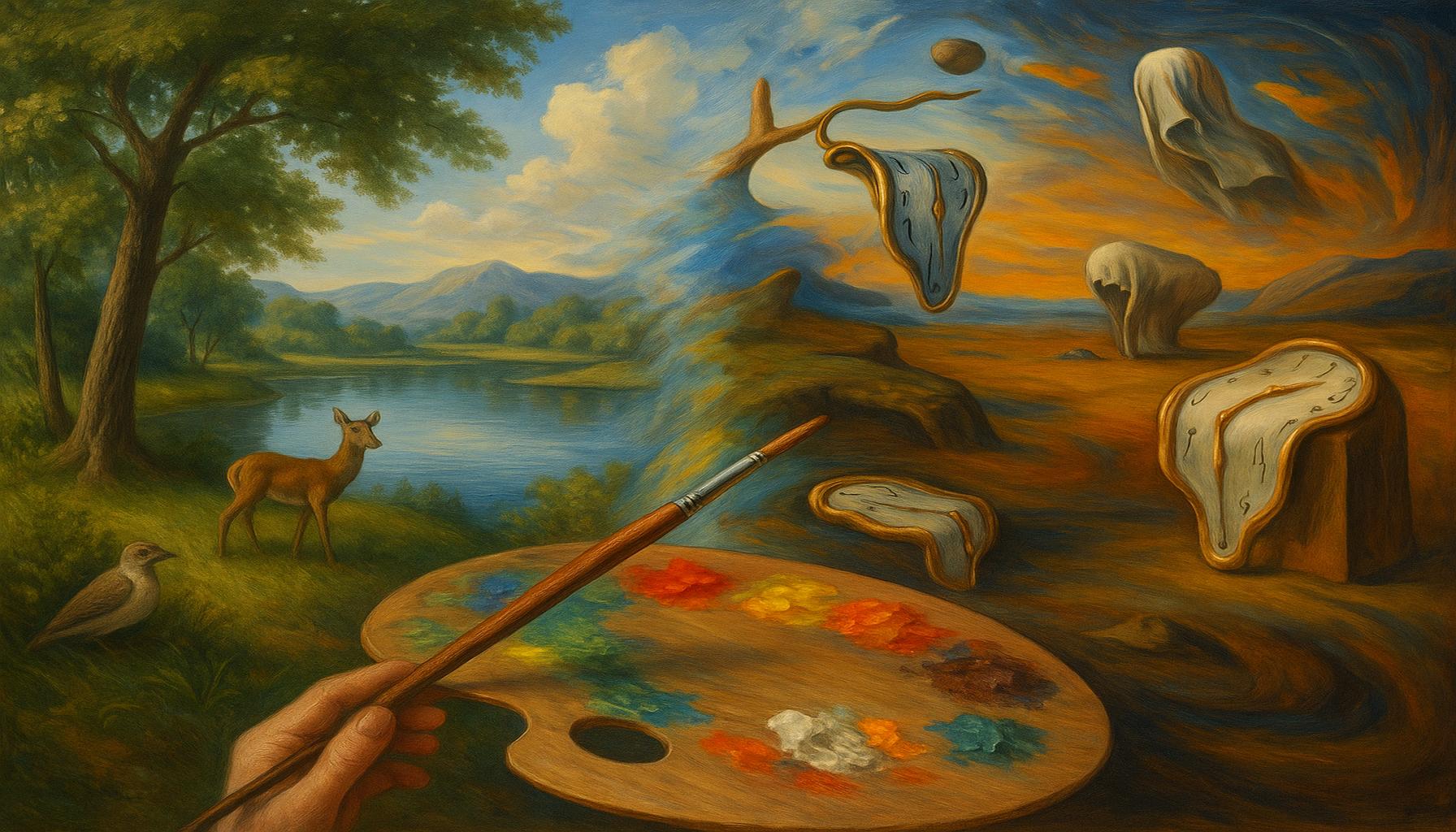
Art serves as a profound reflection of our imagination, emotions, and cultural narratives. Within the rich and varied realm of painting, multiple styles emerge, each intricately telling stories of the human experience. From realism, which captures life as it exists, to the enchanting landscapes of surrealism, the diverse techniques invite endless fascination, encouraging a deeper understanding of both the artwork and the artist’s intent.
Dive into Diverse Painting Styles
Every painting style boasts unique characteristics and historical significance, often influenced by the cultural backdrop of its creation. Here are a few prominent styles:
- Realism: This style emerged in the mid-19th century and is dedicated to depicting life with honesty and accuracy. Realism aims to represent everyday moments and the human condition without embellishment. Renowned American realist artists like Thomas Eakins and Winslow Homer brought to life unvarnished scenes, from tranquil landscapes to raw portrayals of social issues, making their work resonate with authenticity.
- Impressionism: Originating in France but quickly finding a strong foothold in America, Impressionism emphasizes the effects of light and color. Artists such as Claude Monet and Mary Cassatt sought to capture fleeting moments in time, often painting en plein air (outdoors). This approach injected a sense of spontaneity and vibrancy into their work, allowing viewers to experience the magic of a sunlit landscape or a bustling café scene through the artist’s eyes.
- Expressionism: Emerging in the early 20th century, this style prioritizes emotional experience over physical reality. American artists like Edward Hopper and Georgia O’Keeffe used exaggerated colors and bold forms to evoke feelings of isolation or transcendence, inviting the viewer to connect with the profound sentiments embodied within the brushstrokes, igniting questions about personal and universal experiences.
- Surrealism: Surrealism defies conventional logic, blending dreamlike scenarios with the ordinary to explore the unconscious mind. Pioneers such as Salvador Dalí and Max Ernst influenced many in the American art scene during the 20th century, merging the bizarre with the everyday. Their work invites viewers to interpret complex symbols that challenge perceptions of reality, urging individuals to confront their own dreams and fears.
American artists have profoundly shaped these movements, not only through their craft but by weaving cultural and social influences into their work. The clash and merge of these artistic lenses offer a rich dialogue on identity, existence, and the myriad ways that art reflects society’s evolution.
Unravel the Artistic Journey
Exploring these painting styles opens a gateway to richer narratives within art history, allowing us to delve into the very fabric of human thought and feeling. Each brushstroke prompts intriguing questions: How do these styles reflect shifts in societal values? What emotional currents flow through the vivid colors and dynamic forms?
This article seeks to unravel the intricacies of each painting style, revealing their significance and complexity, and invites you to observe art through a renewed, inquisitive lens. As you engage with these movements, consider how they might resonate with your own experiences, acting as catalysts for community discussions and personal reflections on what it means to be human in an ever-evolving world.
DISCOVER MORE: Click here to enhance your creative productivity
Diving Deeper into Artistic Expressions
In the vibrant world of painting, styles serve as distinct voices that reflect the cultural and social canvas of their time. Each style not only showcases artistic techniques but also captures the zeitgeist, revealing insights into the philosophies and priorities of the era. To truly understand the impact of different painting styles, it is essential to delve deeper into their nuances and the contexts from which they emerged.
Realism: The Reflection of Everyday Life
Realism stands out as a pivotal movement that marked a significant shift from romanticized depictions to an unfiltered portrayal of the world. Its roots can be traced back to mid-19th century France, where artists sought to document life without adornment, focusing on laborers, ordinary family life, and rural scenes. This commitment to truth resonated deeply during a period of rapid social change resulting from the Industrial Revolution.
As realism began to take shape, American artists such as Winslow Homer captured the stark realities of American life—depicting scenes of coastlines and intimate family moments that spoke volumes of human resilience. Similarly, Thomas Eakins confronted social issues, emphasizing the importance of education and human anatomy through his astonishingly detailed works. Each brushstroke invited viewers to look beyond the surface and confront everyday complexities, making realism an influential precursor to many subsequent movements.
Impressionism: Capturing Fleeting Moments
Emerging in the late 19th century, Impressionism introduced a revolutionary approach that departed from traditional techniques by focusing on the fleeting effects of light and color. The artists of this movement celebrated the beauty of spontaneity, capturing moments that evoked a sense of immediacy and vitality. Noteworthy figures such as Claude Monet and Edgar Degas embraced the outdoors, often painting en plein air, and their vibrant brushwork reflected the transitory nature of life.
The Impressionists’ use of bright color palettes and loose brush strokes transformed art, creating impressions rather than meticulous representations. This innovation inspired generations of artists and opened the door for further explorations into how perception shapes experience. Notably, American Impressionist artists, including Mary Cassatt, infused unique cultural perspectives, focusing on intimate moments between women and children, showcasing a distinctly American lens on this European movement.
Expressionism: Emphasizing Emotion
As the 20th century ushered in dramatic change, Expressionism emerged as a powerful response to the uncertainties of modern life. This movement distanced itself from the objective reality of both realism and impressionism, instead prioritizing emotional experience as its central theme. Artists like Edward Munch and Georgia O’Keeffe employed distortion and vivid colors to unlock deeper psychological responses, intertwining art with the human psyche.
In the U.S., expressionism found a unique voice, often addressing themes of alienation and the human condition amid industrialization and urbanization. The emotional intensity conveyed through bold forms and colors created a dialogue around personal and shared experiences, challenging viewers to confront their innermost feelings and perceptions.
As we journey through these styles, it becomes apparent that each artistic movement not only embellishes a canvas but tells a larger story of societal evolution, identity, and the quest for understanding within the ever-changing landscape of human existence.
Exploring Techniques in Realism and Surrealism
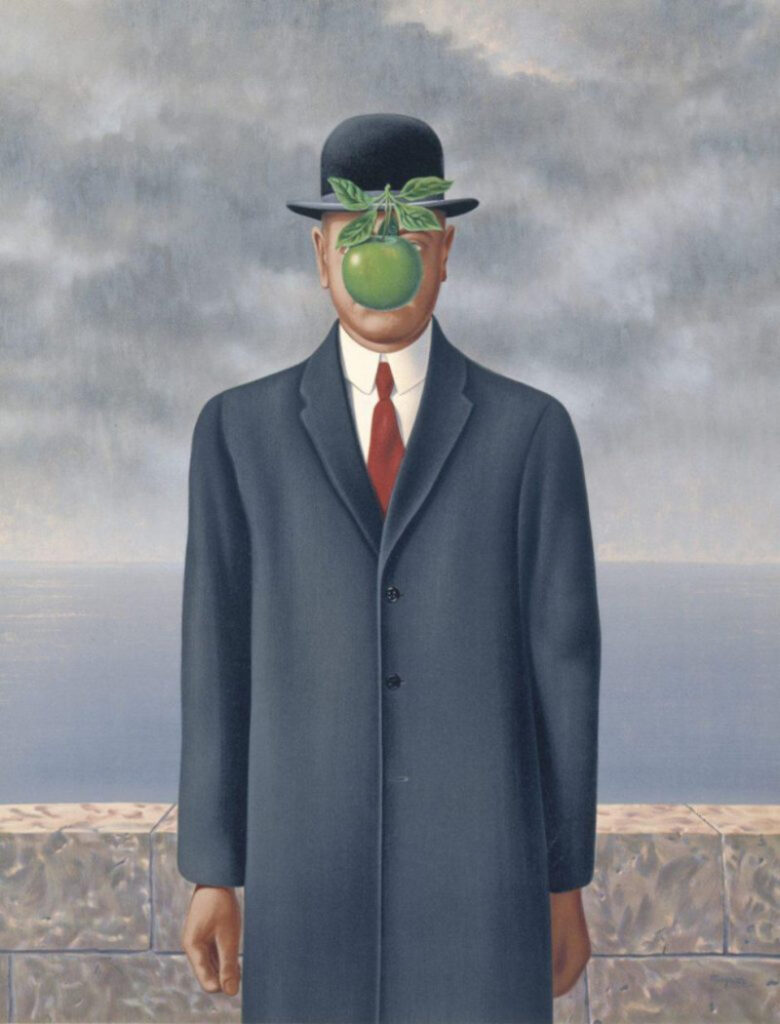
When diving into the world of painting, one cannot overlook the distinct techniques that characterize both Realism and Surrealism. Each painting style adopts specific methods to convey emotion and narrative, making them fascinating topics for examination. In the realm of Realism, artists focus on depicting subjects as they appear in everyday life. This style emerged in the mid-19th century as a reaction against the grandeur of Romanticism. Realism emphasizes objective observation and presents subjects without embellishment. Techniques like chiaroscuro—using strong contrasts between light and dark—enhance the three-dimensionality of the subjects, allowing viewers to experience a genuine connection with reality. Notable artists in this genre include Gustave Courbet and Jean-François Millet, who captured the essence of ordinary people and scenes with incredible precision.On the other hand, Surrealism challenges perception and dives deep into the human psyche, often blending reality with dreams. This style began in the 1920s, marked by artists like Salvador Dalí and René Magritte, who employed techniques such as dream-like imagery, unexpected juxtapositions, and bizarre landscapes. Surrealism thrives on creating visual metaphors that provoke thought and encourage viewers to explore their subconscious mind. The innovative use of color and form in Surrealism not only defies logic but also invites a more profound exploration of what reality truly means.In this journey of discovery through painting styles, it’s essential to recognize how these techniques not only distinguish Realism and Surrealism but also influence contemporary art practices. Both styles invite us to question our perceptions and interpret emotions through colors, forms, and narratives.
| Painting Style | Key Techniques |
|---|---|
| Realism | Focus on objective observation, chiaroscuro, and detailed representation of everyday subjects. |
| Surrealism | Integration of dream-like imagery, unexpected juxtapositions, and explorations of subconscious themes. |
Both styles serve as significant contributions to the art world, encouraging artists and viewers alike to delve deeper into their respective meanings and implications. In exploring different painting styles, we gain not only artistic knowledge but also a greater understanding of ourselves and the multifaceted world around us.
DIVE DEEPER: Click here to enhance your mobile photography skills
Transformations in Artistic Representation
Continuing our exploration of painting styles, we come across the transformative movement of Abstract Art, which emerged in the early 20th century. This genre marked a profound departure from traditional representation; artists began to liberate colors, forms, and shapes from their recognizable contexts. By focusing on the intrinsic qualities of paint, these artists sought to express concepts beyond literal interpretations.
Pioneers such as Wassily Kandinsky and Piet Mondrian pushed the boundaries of visual expression. Kandinsky, in particular, believed that color could evoke spiritual responses, leading him to create compositions that resonated with emotional depth rather than the observable world. Mondrian, with his grid-like structures, distilled visual elements down to their essence, suggesting harmony and order through abstraction. This emphasis on non-representational forms challenged viewers to engage with art on an intellectual level, inviting an exploration of perception and meaning.
Surrealism: The Realm of Dreams
The Surrealism movement, emerging in the aftermath of World War I, represents another radical shift in artistic expression. It sought not only to depict the subconscious but to revolutionize the human experience through dream-like narratives and illogical scenes. Artists such as Salvador Dalí and René Magritte infused their works with imaginative symbolism and bizarre juxtapositions, profoundly influencing visual culture. Dalí’s meticulous attention to detail in pieces like “The Persistence of Memory” challenges viewers to interrogate the nature of reality and time.
Surrealism also gave rise to a notable experimentation with automatic techniques—creating art without the constraints of conscious thought—as seen in the works of Max Ernst. Through collage and spontaneous brushwork, surrealists aimed to tap into the human unconscious, creating artworks that invited a personal interpretation, reflective of the viewer’s own psyche. This exploration of dreams opened new avenues for artistic expression, encouraging an engagement with the irrational that has resonated across contemporary art forms.
Modernism and Postmodernism: A New Narrative
The 20th century saw a blend of these styles within the umbrella of Modernism, a term that encapsulates the quest for innovation and self-exploration in art. While abstract and surrealist methods shaped mainstream modern art, movements such as Psychedelic Art emerged in the 1960s, showcasing swirling colors and fluid forms inspired by the consciousness-altering experiences of the time. This movement’s radical aesthetic has laid the groundwork for contemporary discussions surrounding art and counterculture.
In contrast, Postmodernism arose as a critique of the ideologies of modernism, often characterized by a playful disconnection from tradition. Postmodern artists like Andy Warhol and Jeff Koons blended high and low culture, challenging conventional boundaries. Warhol’s silkscreens of popular icons deconstructed the very nature of originality and created dialogues about consumerism and celebrity in a rapidly changing society.
As we navigate through these artistic movements, it becomes increasingly clear that each style contributes a distinct texture to the rich tapestry of art history. From realism’s embrace of authenticity to surrealism’s exploration of the subconscious, and abstract art’s departure into form and color, each era resonates with cultural significance, prompting us to consider the profound questions that art raises about existence and perception.
DIVE DEEPER: Click here to discover painting techniques for beginners
Conclusion: The Endless Dimensions of Artistic Expression
In our journey through the diverse world of painting styles, we have uncovered the intricate ways in which art reflects human experience and cultural evolution. From the meticulous details of Realism, which grounded art in observable truth, to the dreamlike landscapes of Surrealism that challenge our perceptions of reality, each movement serves as a vital narrative of its time and context
The emergence of Abstract Art demonstrated a liberated approach, inviting viewers to explore emotions and concepts beyond the tangible. In doing so, it laid the groundwork for subsequent expressions like Modernism and Postmodernism, where playful experimentation and irony redefine the art landscape. Artists such as Andy Warhol and Salvador Dalí not only opened dialogues about creativity, consumerism, and identity but also pushed the boundaries of artistic interpretation, encouraging us to reflect on our own interactions with art and society.
As we stand at the intersection of these historical movements, we recognize the importance of engaging with various painting styles—not just as spectators but as participants in a larger conversation around emotion, thought, and cultural identity. Each stroke of paint tells a story that resonates with the viewer, prompting exploration, introspection, and a deeper understanding of both the artist’s intent and our own place within this rich tapestry.
As we continue to explore these styles, we invite you to seek out exhibitions, delve into art history, or even pick up a brush yourself. Discover how the legacy of painting, from realism to surrealism and beyond, offers endless opportunities for connection and creativity.
Related posts:
Art Therapy Emotional Mental Benefits of Creative Painting
Exploring Therapy through Painting: How Art Can Improve Mental Health
The Importance of Color in Painting: Psychology and Emotions
Digital Painting: The Intersection of Technology and Creativity
How Digital Painting Is Transforming Artistic Creativity
Watercolor Painting Techniques: Tips for Creating Incredible and Atmospheric Effects

Linda Carter is a writer and creative hobbies expert specializing in crafting, DIY projects, and artistic exploration. With extensive experience helping individuals discover their creative potential and bring their ideas to life, Linda shares her knowledge on our platform. Her goal is to empower readers with practical tips, inspiring ideas, and step-by-step strategies for success in the world of creative hobbies.