Inspiration in Nature: How the Natural World Can Stimulate Creativity in Writing
The Transformative Power of Nature on Creativity
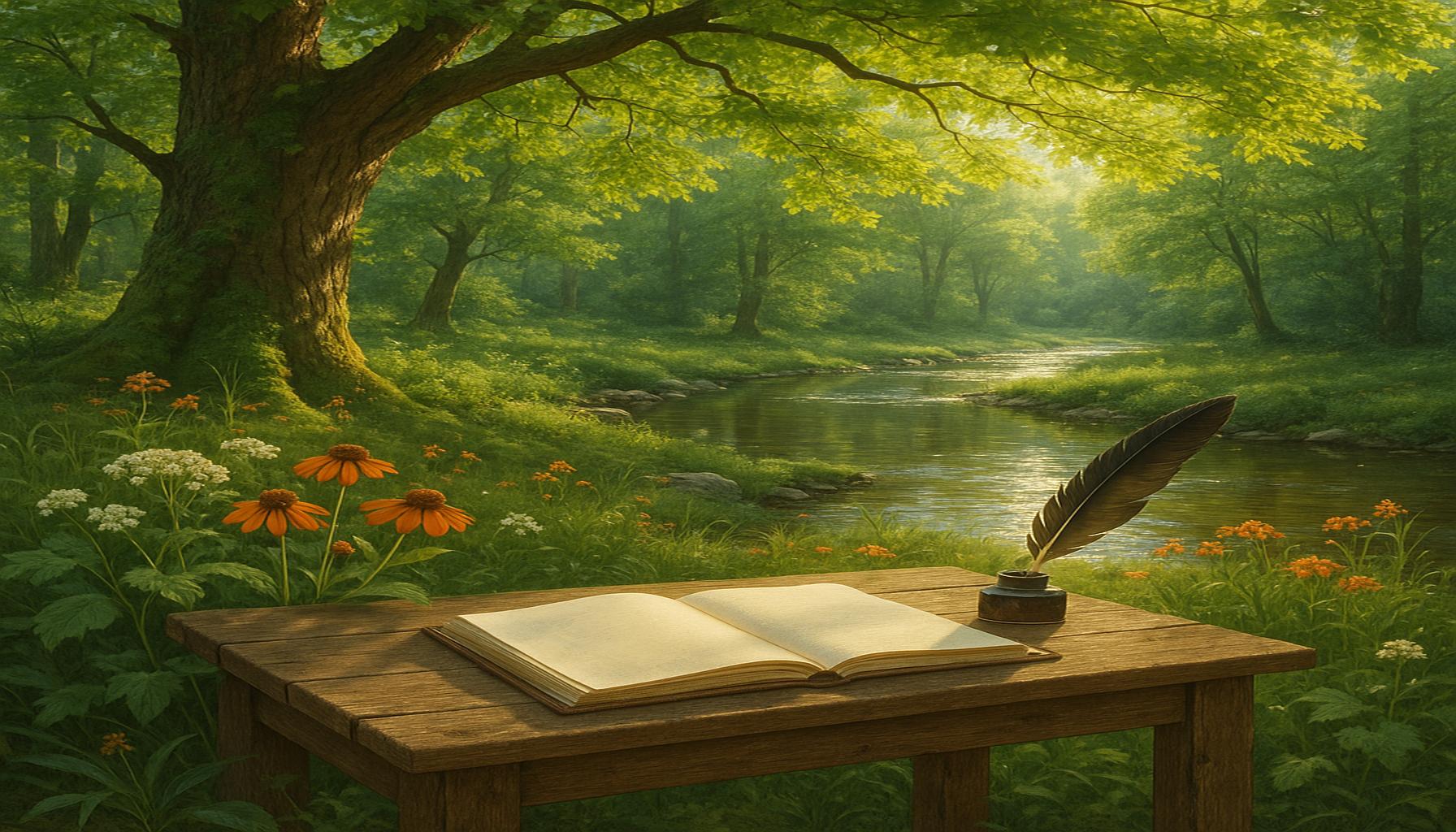
The beauty of the natural world serves as an endless wellspring of inspiration for writers, artists, and creative thinkers. Engaging with nature—whether it be the sprawling landscapes of national parks, the quietude of a local garden, or the rhythmic waves of a beach—can profoundly impact one’s creative process. Renowned authors such as Henry David Thoreau and John Muir vividly illustrate how such environments not only inspire great literary works but also spark innovative ideas through experiential engagement.
- Reduction of stress: Numerous studies confirm that spending time in nature significantly reduces stress and anxiety levels. For instance, a stroll through the woods can lower cortisol levels—the hormone linked to stress—allowing the mind to clear itself of distractions. This psychological reprieve helps pave the way for creativity, enabling writers to approach their work with renewed vigor and clarity.
- Heightened senses: Immersing oneself in the sounds and sights of nature sharpens awareness and enhances sensory perceptions. The rustling of leaves, the call of birds, or the play of light and shadow can provide profound inspiration. Writers often describe how specific details, like the vibrant colors of autumn leaves or the scent of blooming flowers, can lead to vivid descriptive passages that capture readers’ imaginations.
- Unique observations: Nature is rife with stories that often mirror the complexities of human experience. A clean river meandering through rugged mountains, for example, might evoke themes of resilience or the passage of time. Every experience—whether witnessing a caterpillar transforming into a butterfly or observing a family of deer in a meadow—offers rich narratives waiting to be told.
The interplay between nature and creativity is not merely anecdotal but is also grounded in scientific research. A study from the University of Utah found that individuals who immersed themselves in natural settings showed improved cognitive functions and increased our capacity for creative problem-solving. Additionally, spending time outdoors has been linked to higher levels of productive flow in creative tasks, suggesting that nature can unlock a deeper level of thinking that is difficult to access in urban environments.
As you venture into the great outdoors, consider how the dynamic aspects of your environment might influence your writing. Whether you are jotting down thoughts in a sun-dappled clearing or sketching scenes in a bustling city park, recognizing the relationship between nature and creativity can open new doors to exploration and expression. Plan your next writing retreat in a natural setting and take note of how your perspective shifts as you engage with the elements around you. The potential rewards may well reshape your creative journey.
DIVE DEEPER: Click here to uncover the impact of creative writing on personal growth
Nature as a Muse: The Elements that Ignite Creative Thought
When we think of creativity, we often focus on the solitary writer hunched over a desk, conjuring worlds from thin air. Yet, the great outdoors offers an alternative canvas, brimming with inspiration that can spark creativity in remarkable ways. Writers, from personal essayists to poets, often find that immersion in nature can result in a cascade of ideas that seem to flow effortlessly onto the page. So, what is it about the natural world that fuels such creative fervor?
- Connection with the Environment: Engaging with the natural world cultivates a deep sense of connection to our surroundings, which can infuse writing with authenticity. Whether it’s the sights of a bustling city park or the serene quiet of a secluded forest, each setting offers unique sensory details. This connection can ground a writer’s narrative, allowing readers to relate on an emotional level.
- Unpredictable Inspiration: Nature is full of surprises. A sudden downpour, a fluttering butterfly, or a forgotten sunset can evoke unexpected thoughts and ideas. Embracing spontaneity enhances creativity; writers can learn to capture these fleeting moments, adding layers to their storytelling. Many authors note how a simple hiking trip can lead to breakthroughs in their plots or character arcs.
- Mindfulness and Reflection: Spending time in nature encourages a state of mindfulness, allowing thoughts to flow freely without the constant distractions of everyday life. This reflective state can lead to profound insights about one’s own writing or even spark new themes to explore. Taking a moment to simply observe—a bird’s nest, the rustling grass—can provide the clarity needed to delve deeper into one’s creativity.
- Encouragement of Playfulness: Nature is inherently playful. The beauty of a garden brimming with blossoms or the sounds of waves crashing can evoke a childlike wonder. This sense of playfulness can liberate writers from self-imposed constraints, allowing them to experiment with language and form in ways they might not have previously considered.
The magic of nature lies in its ability to awaken our senses and emotions, urging us to see and feel more deeply. Creative writing is very much about observation and interpretation, and nature provides us with a never-ending array of stimulus from which to draw. According to researchers at Stanford University, even short walks in natural settings can enhance creativity; their findings suggest that individuals who spend time outdoors perform better on creative problem-solving tasks. The rejuvenating effects of nature create a fertile ground for innovative thinking, breaking down mental barriers that often hinder the writing process.
As writers, it’s essential to embrace these natural spaces as sources of inspiration rather than viewing them as mere backdrops. The interplay between creativity and nature is a rich and rewarding relationship that invites exploration. Consider planning regular outdoor writing sessions or even dedicating a day to write in a different natural setting. In doing so, you may uncover fresh viewpoints that not only enhance your writing but also reignite your passion for the craft.
Inspiration in Nature: How the Natural World Can Stimulate Creativity in Writing
The relationship between nature and creativity has long been the subject of artistic exploration. Writers often find themselves in need of a creative spark, and nature offers an abundance of stimuli that can ignite the imagination. Whether through the vibrant colors of a sunset or the soothing sounds of a forest, the natural world provides a diverse canvas of inspiration that can transform writing. Nature encourages mindfulness, which is essential for tapping into one’s creative potential.
Furthermore, research indicates that exposure to natural environments increases cognitive function and can alleviate stress, facilitating a clearer mindset for writing. Engaging with nature can lead to profound insights and deeper emotional connections, enriching the narrative elements of any literary work.
| Category 1 | Category 2 |
|---|---|
| Natural Elements | Vast imagery and sensory experiences |
| Enhanced Creativity | Heightened imagination and narrative depth |
Writers can draw from the flora and fauna, transforming mundane scenes into powerful metaphors. Additionally, the seasonal changes in nature can reflect the themes of transience and growth in a narrative, allowing writers to convey complex emotions in simple terms. Environments such as parks or gardens encourage exploration and reflection, fostering writerly productivity by simply stepping outside.
By allowing the beauty of the natural world to seep into their writings, authors engage their readers on multiple levels, creating immersive and emotional narratives. Nature doesn’t just serve as a backdrop; it becomes a character in its own right, influencing plots and enriching the storytelling experience.
DIVE DEEPER: Click here to boost your productivity
The Elements of Nature: Transformative Experiences for Writers
While the connection between nature and creativity is profound, it is essential to recognize how specific natural experiences can ignite the imagination even further. Each element of the natural world—from the vast skies above to the intricate details beneath our feet—invites us to explore narratives that resonate with authenticity and depth. Let’s delve into how diverse aspects of nature can stimulate a writer’s creativity.
- The Power of Landscape: The dramatic landscapes found across the United States—from the towering Rocky Mountains to the gentle waves of the Pacific Coast—offer more than visual splendor; they serve as a canvas for emotional expression. The variations in terrain can mirror the psychological complexities of characters and plots. For instance, a desolate desert might symbolize isolation and despair, while a lush forest could evoke themes of hope and renewal. Writers who observe such contrasts are often inspired to draw parallels in their narratives, enhancing their storytelling with a geographical pulse.
- Seasonal Changes and Their Symbolism: The cyclical nature of the seasons can be a source of rich thematic exploration. Each season embodies unique characteristics that can inform a writer’s work. Spring, often associated with rebirth, can represent new beginnings, while autumn may evoke nostalgia and reflection. In literature, seasons serve as more than mere settings—they can symbolize the emotional arcs of characters. Writers can use these changes to weave in layers of meaning, making their narratives more relatable and evocative.
- Animal Encounters: Wildlife interactions often yield unexpected writing ideas. An encounter with a hawk soaring majestically overhead or a family of deer grazing quietly can prompt reflections on freedom, family, and instinct. Many renowned writers, such as John Muir and Rachel Carson, have drawn inspiration from their interactions with animals to explore themes of nature conservation and humanity’s relationship with the earth. Such encounters encourage writers to contemplate their role in the ecosystem and how that might influence their storytelling.
- Weather as a Storyteller: The weather holds a powerful influence over emotions and activities, making it a dynamic element in writing. Sudden storms can create tension, while gentle breezes may induce calmness. Writers can manipulate weather to mirror character moods or foreshadow events. The use of weather in narratives provides an opportunity for writers to enhance the atmosphere and emotional resonance within their stories.
As writers venture into nature, they may find themselves attuned to the rhythms of life around them. Studies have shown that exposure to natural settings can increase creative thinking and boost cognitive performance, allowing writers to think more freely and deeply. Those walks through blooming wildflowers or rugged cliffs can lead to a meditative state, where ideas and emotions intertwine, fostering a fertile ground for creative exploration.
Additionally, exploring historical or cultural connections to nature can further enrich a writer’s experience. Understanding how different communities engage with their environments can offer insight into the human experience, allowing writers to infuse authenticity and diversity into their work. For example, Native American traditions often emphasize a deep respect for nature, providing narratives rich with symbolism and cultural significance.
Not only does nature provide immediate sensory experiences, but it also offers a way to engage with timeless themes in writing. By exploring the elements of the natural world, writers can cultivate a reservoir of inspiration that fuels their creativity, ultimately enriching their storytelling abilities.
DIVE DEEPER: Click here to enhance your photography skills
Inspiring Connections: Nature as a Muse for Writers
In conclusion, the natural world serves not only as a backdrop to our narratives but as a vital source of inspiration that can profoundly stimulate creativity in writing. The diverse landscapes, seasonal changes, animal encounters, and even the weather elements can evoke emotions and themes that resonate deeply with readers. Embracing these aspects allows writers to craft stories rich in authenticity and emotional depth, drawing parallels between the external environment and internal character journeys.
As writers become attuned to the subtle rhythms of nature, they unlock a wellspring of creative potential that can enhance their storytelling abilities. Whether it’s a fleeting moment of awe inspired by a breathtaking sunset or the contemplation of nature’s cycles reflected in the changing seasons, the engagement with the outdoors fosters increasingly thoughtful narratives. Moreover, recognizing cultural and historical contexts surrounding nature can further enrich a writer’s perspective, infusing works with a sense of relativity and social consciousness.
Ultimately, by nurturing a connection with the natural world, writers embark on a journey that not only improves their craft but also deepens their understanding of humanity’s relationship with nature. This symbiotic relationship encourages exploration and innovation, paving the way for new stories that can inspire, educate, and move audiences. As you venture into nature, consider it a portal to your imagination, where every rustling leaf and distant mountain could lead to the next great idea waiting to be penned.
Related posts:
The Influence of Creative Writing on the Construction of Empathy
Visual Narrative: How to Integrate Graphic Elements in Your Creative Writing
The Role of Creative Writing in Education: Stimulating Creativity in Young Learners
The Art of Narrative: How to Create Memorable Characters in Your Stories
Creative Journaling Ideas to Reduce Stress and Increase Productivity
Creative Writing and the Process of Overcoming: Narratives of Resilience

Linda Carter is a writer and creative hobbies expert specializing in crafting, DIY projects, and artistic exploration. With extensive experience helping individuals discover their creative potential and bring their ideas to life, Linda shares her knowledge on our platform. Her goal is to empower readers with practical tips, inspiring ideas, and step-by-step strategies for success in the world of creative hobbies.