Interactive Journaling: Incorporating Game Elements and Challenges to Make Writing More Fun
Transforming Your Journaling Experience
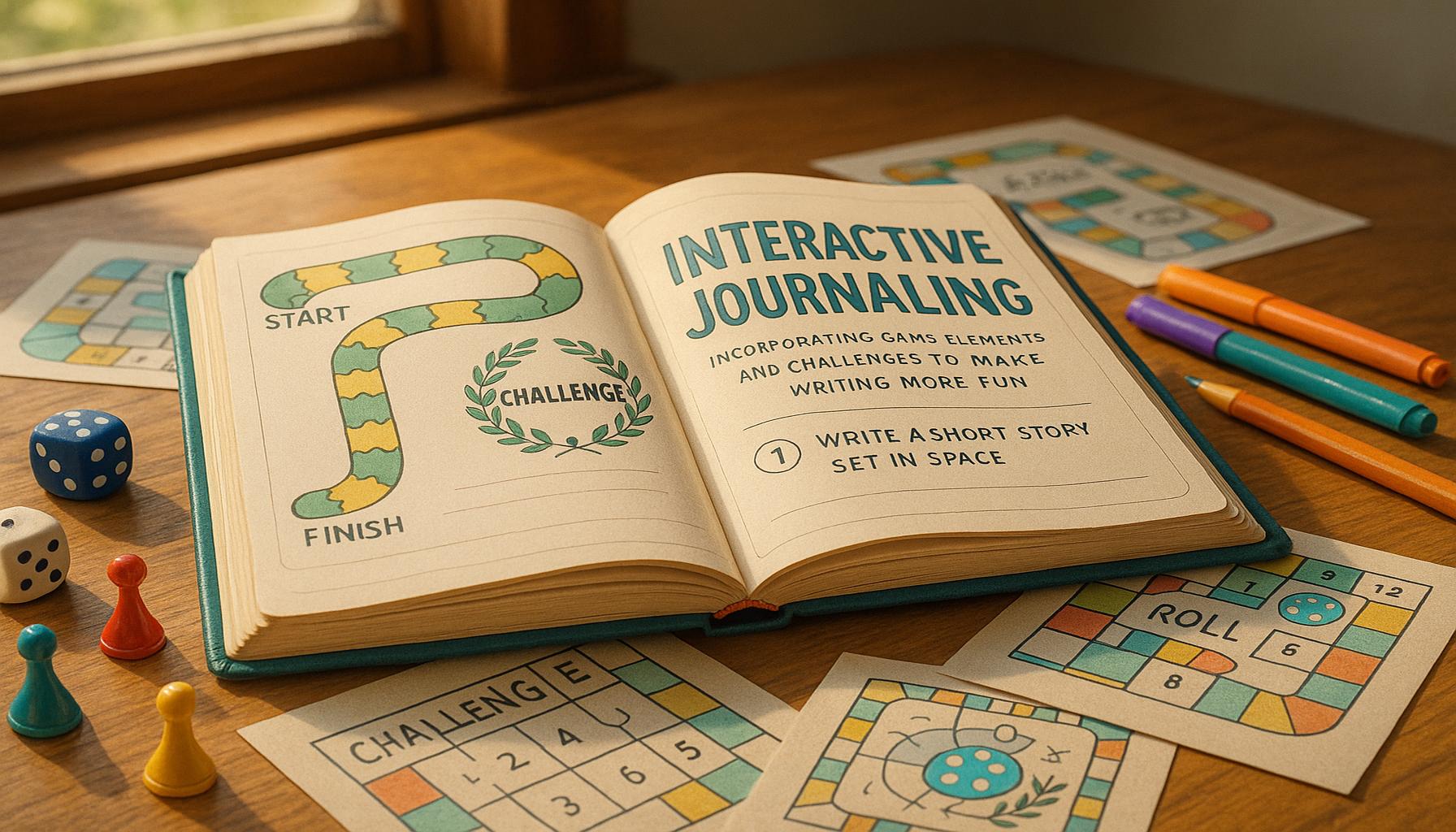
In today’s fast-paced digital world, the traditional practice of journaling is undergoing a thrilling transformation. Interactive journaling invites individuals to blend creativity with playfulness, leading to a more engaging writing experience. By incorporating game elements and challenges, this innovative approach not only enhances self-reflection but also makes the process enjoyable.
But what exactly does interactive journaling entail? At its core, it integrates elements typical of games—such as challenges, rewards, and social interactions—into the journaling process. This dynamic approach can take various forms, from digital platforms that gamify journaling tasks to physical journals that encourage creative prompts and artistic expression.
Why consider interactive journaling? Here are several compelling reasons:
- Enhanced Engagement: Gamified challenges keep writers motivated and excited about their journaling journey. For instance, a daily writing challenge might encourage participants to complete entries in unique formats, such as poetry, lists, or even sketches, each leading to rewards such as badges or points.
- Improved Skill Development: Writing prompts—often accompanied by themes or specific constraints—can help individuals sharpen their creative and critical thinking skills. Think of prompts that ask you to describe a day in the life of an inanimate object or to weave a tale around a forgotten memory, pushing you to think outside the box.
- Community Connection: Many platforms encourage sharing achievements, fostering a sense of belonging. Websites, apps, and social media groups allow users to post their entries and receive encouragement from fellow journalers. This community aspect not only inspires creativity but also provides valuable feedback on writing styles and ideas.
This interactive method is incredibly versatile, easily adapting to a range of interests and styles. Whether it’s incorporating rewarded challenges that unlock special writing prompts or integrating interactive storytelling techniques—like branching narratives where readers decide the course of the character’s journey—the possibilities are endless. For example, apps like ‘Day One’ or ‘Penzu’ offer templates that incorporate multimedia elements, allowing users to enhance their entries with images, videos, and audio recordings.
As we dive deeper into the concept of interactive journaling, prepare to uncover strategies, tools, and examples that can transform how you write. Platforms like ‘Journey’ and ‘Reflectly’ showcase how technology can boost your journaling practice with features such as mood tracking and daily reflections, all presented in vibrant, game-like formats. Get ready to discover how adding a playful twist can bring newfound joy and creativity to your personal reflections.
DISCOVER MORE: Click here to enhance your painting skills
Unleashing Creativity Through Gamified Challenges
Interactive journaling is revolutionizing personal writing by incorporating game elements that transform a solitary activity into a vibrant experience. One of the most attractive aspects of this approach is the use of gamification, which involves engaging individuals in their journaling endeavors through challenges and rewards. This method not only encourages consistent writing habits but also invites writers to step outside their comfort zones and explore new creative avenues.
The integration of challenges can vary significantly, allowing for flexibility in the journaling experience. Here are a few popular challenge types that can invigorate your writing practice:
- Daily Prompts: Setting a daily prompt that requires reflection on personal experiences, what inspires you, or even fantastical scenarios can ignite creativity. For instance, a prompt might challenge you to write about your favorite childhood memory as if it were a movie scene.
- Themed Weeks: Designating specific themes for each week—such as gratitude, adventure, or growth—can focus your writing and encourage deeper exploration of those topics. For example, during a gratitude week, you might document not just what you are thankful for, but why those things evoke positive feelings.
- Creativity Quests: Turn your entries into small quests that require you to complete specific writing formats, such as haikus, short stories, or dialogue exchanges. Completing a quest successfully can earn you points or badges that serve as motivational rewards.
The concept of leaderboards can also be integrated into pastimes shared with friends or online communities, fostering a sense of friendly competition and camaraderie. Participants can race against each other to see who can complete the most journal entries in a month or gather the most points from fulfilling various writing challenges. This competitive element not only motivates individuals but also opens up opportunities for collaborations, where writers can exchange ideas and learn from each other’s styles.
Another intriguing aspect of interactive journaling is the adaptation of digital tools that complement and enhance the experience. Several apps such as ‘Moodnotes’ and ‘Daylio’ not only encourage entries but also prompt users with insightful questions while allowing them to track their emotional well-being. Interesting visual elements like graphs or infographics illustrating mood patterns can make the journaling process feel more dynamic and engaging. This data-driven aspect of writing can foster a new understanding of oneself and essentially turn journaling into a self-discovery game.
As we explore the multifaceted world of interactive journaling, it becomes evident that incorporating these playful strategies can dramatically shift how we approach our writing. Not only do they provide frameworks for self-exploration, but they also create opportunities to connect with others and share personal narratives in innovative formats. The next section will delve deeper into specific tools and platforms that can aid you in embarking on your interactive journaling journey, making the experience all the more enjoyable and fulfilling.
| Advantages | Description |
|---|---|
| Enhanced Engagement | Integrating game elements stimulates interest and motivation in writing. |
| Boosted Creativity | Interactive challenges encourage original thought and push personal boundaries. |
| Community Interaction | Sharing experiences and challenges fosters a supportive writing community. |
Interactive journaling redefines the traditional writing approach by interweaving challenges and gaming techniques, unlocking new levels of writing potential. One of the significant advantages of this innovative practice is enhanced engagement; writers become participants in their narratives rather than mere observers, making the writing process a thrilling adventure. The inclusion of game elements, such as points and levels, transforms mundane tasks into exciting quests, drawing in those who may otherwise feel disconnected from traditional writing exercises.Moreover, interactive journaling plays a pivotal role in fostering boosted creativity. The use of prompts, challenges, and even rewards encourages individuals to think outside the box, promoting unique expressions of self and paving the way for fresh ideas. Such interactive experiences often lead to breakthroughs in writing that may not occur in more structured environments.Finally, this creative approach also nurtures community interaction. By allowing writers to share their challenges and achievements, interactive journaling cultivates a sense of belonging among participants, facilitating a vibrant community where feedback and support flow freely. Embracing these elements can lead to not just improved writing skills but also enriched personal expression and connection among peers.
EXPLORE MORE: Click here to unleash your creativity
Enhancing Engagement with Interactive Tools
As the landscape of writing evolves, the emergence of digital journaling tools has revolutionized the way individuals approach their writing experiences. These platforms not only provide a space to record thoughts but also weave in interactive game elements that amplify engagement. By tapping into the psychology of play, these tools can make journaling feel less like a task and more like a rewarding adventure. Let’s explore how such digital platforms are paving the way for a fun and interactive journaling experience.
One fascinating trend in interactive journaling is the rise of apps and websites designed to gamify the writing process. For instance, platforms like ‘Penzu’ offer users customizable features that allow for personalization, while incorporating elements such as writing streaks and milestones. Users can track how many consecutive days they’ve journaled, earning rewards along the way, which fuels a desire to maintain consistency and integrity in their writing practice.
Moreover, the integration of storytelling games into journaling enhances the depth of creativity involved. Apps like ‘Storybird’ facilitate the creation of visual stories through illustrations while encouraging users to craft narratives based on prompts. This combination of visual inspiration and storytelling acts as a powerful catalyst for creativity, inviting users to expand their writing skills while enjoying the elements of play. With a library of beautiful artwork at their disposal, writers can find themselves enchanted by the process of world-building and character development, all while keeping the journaling experience interactive.
Virtual challenges have also found their way into the realm of interactive journaling. Platforms such as ‘Journaling Prompts’ create a community of writers who participate in collective challenges; these can range from writing a specific number of entries in a month to tackling ambitious prompts that require exploration of fantasy settings or character creation. Sharing progress with this like-minded community adds an extra layer of motivation, enabling individuals to witness not only their growth but that of their peers as well.
- Community Building: Engaging in group challenges fosters a sense of belonging. Members offer encouragement and advice, making it a collaborative rather than solitary activity.
- Social Media Integration: Many apps allow users to share their progress on social media, creating an avenue for external motivation and sparking interest in interactive journaling among followers and friends.
- Built-in Feedback Mechanisms: Some platforms include features for receiving feedback on journal entries, enabling users to grow through constructive criticism and new perspectives.
Another compelling aspect is the use of augmented reality (AR) and virtual reality (VR) in enhancing the journaling experience. While still emerging, these technologies can introduce a sensory dimension to writing, engaging users with visual and auditory stimuli that inspire creativity. Imagine a journaling app where writing about a beautiful sunset is enhanced with soundscapes or images of sunsets drawn from user-uploaded content. This synesthetic journaling approach can deepen emotional connections and provide fresh insights into personal reflections.
In addition, exploring AI-driven journaling tools that generate prompts based on users’ previous entries can further personalize the writing journey. With an understanding of a writer’s style and themes, these intelligent tools can craft prompts that challenge the writer to explore new styles or subjects, bridging the gap between self-expression and innovation. Creative AI writing assistants not only provide challenges but also simulate writing partners, making the journaling experience feel less isolating and more collaborative.
By utilizing these interactive tools, writers can turn their journaling process into a multifaceted, engaging experience that continuously fosters creativity. The enhancements offered by technology not only influence how we write but also enrich the entire process of self-exploration and expression, creating a dynamic environment in which writing becomes a game of discovery and growth.
DIVE DEEPER: Click here to learn how art can boost your mental well-being
Conclusion: A New Era of Fun in Writing
As we navigate the world of interactive journaling, it becomes increasingly clear that the incorporation of game elements and challenges has transformed a once solitary activity into a vibrant, engaging experience. By leveraging digital tools, writers are not only able to express their thoughts and feelings but also embark on creative journeys that foster personal growth and connection with others. From the customizable features of apps like ‘Penzu’ to the immersive storytelling opportunities provided by platforms such as ‘Storybird’, the writing landscape has indeed shifted to one where fun and exploration reign supreme.
The role of community cannot be overlooked. By participating in group challenges or sharing progress on social media, writers find motivation and support, creating a collaborative atmosphere that encourages continuous improvement. The advent of augmented reality (AR), virtual reality (VR), and AI-driven tools further enrich the interactive journaling experience. Through these advancements, users can explore new dimensions of creativity, paving the way for deeper emotional connections with their writing.
Ultimately, the integration of game elements into journaling is not merely about making writing more enjoyable; it is about redefining the act of writing itself. As we embrace these interactive approaches, we invite endless possibilities for learning, connection, and self-discovery. Whether you are a seasoned writer or just beginning your journaling journey, the world of interactive journaling offers a refreshing escape and an empowering platform to unleash your imagination. It’s time to pick up that journal, dive into the adventure, and see where your creativity can take you!
Related posts:
Visual Journaling: Incorporating Art and Drawing into Your Notes
Exploring the Power of Journaling in Mindfulness Practice
Journaling for Self-Knowledge: Reflection and Personal Discovery Exercises
Journaling for Developing Writing Skills: Practices and Tips
Exploring Therapy through Journaling: How Writing Can Help Mental Health
Thematic Journaling: How to Create Diaries Based on Seasons, Emotions, or Travels

Linda Carter is a writer and creative hobbies expert specializing in crafting, DIY projects, and artistic exploration. With extensive experience helping individuals discover their creative potential and bring their ideas to life, Linda shares her knowledge on our platform. Her goal is to empower readers with practical tips, inspiring ideas, and step-by-step strategies for success in the world of creative hobbies.