Night Mobile Photography: Techniques for Capturing Stunning Images in Low Light
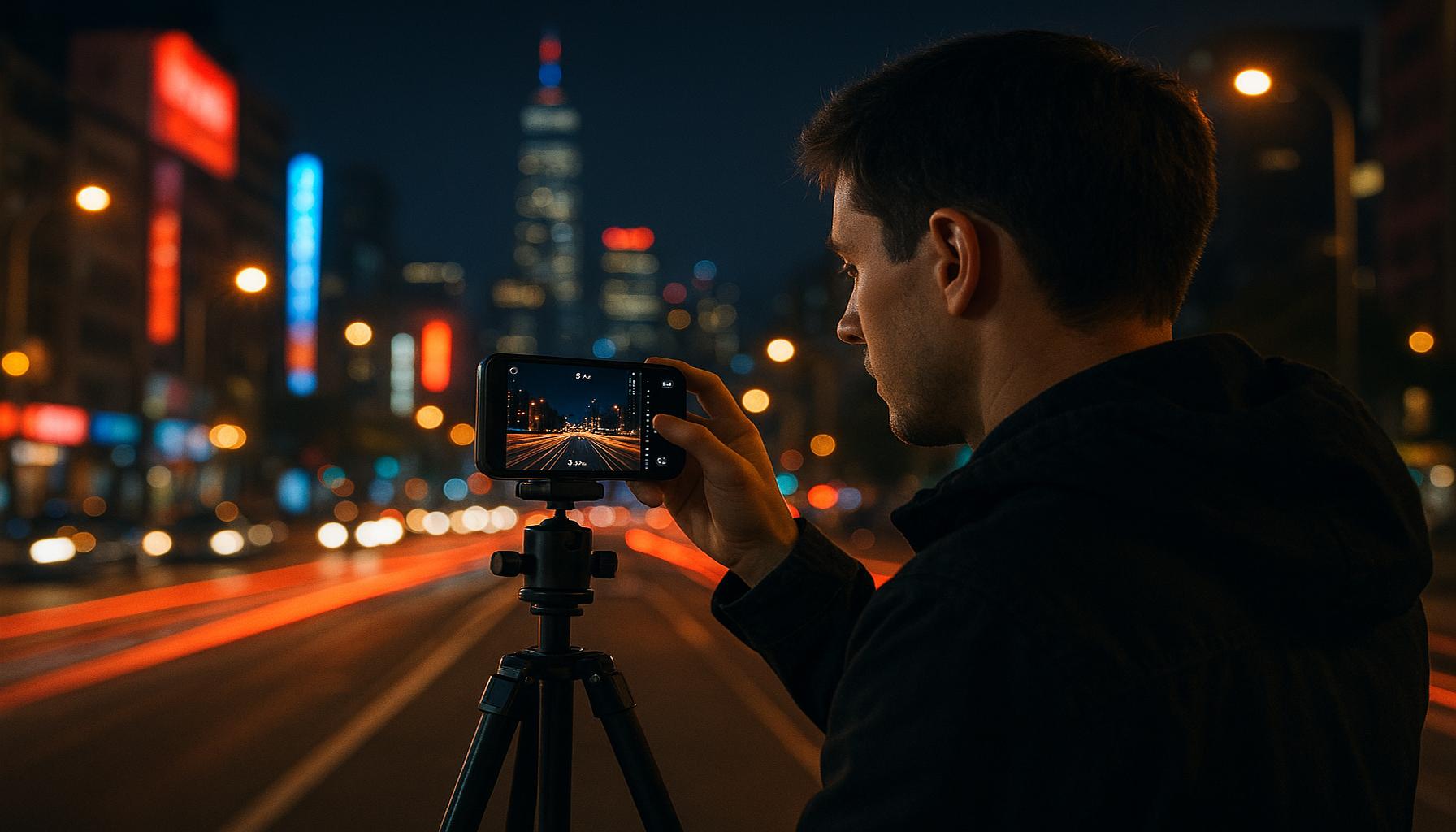
The Allure of Nighttime Imagery
As the sun dips below the horizon and the darkness envelops the world, a unique and surreal atmosphere takes shape, creating a canvas filled with potential for photographers. Night mobile photography opens the door to a realm where ordinary moments are imbued with a sense of mystery and artistry. This transformation results in stunning images that tell captivating stories, inviting viewers to glimpse the world from a different perspective.
Nonetheless, capturing exquisite night-time shots can pose its own set of challenges. For those eager to improve their low-light photography skills, implementing some essential techniques can dramatically enhance your results. Consider these foundational tips:
- Use a tripod: In low-light environments, stability is paramount. A tripod stabilizes your phone or camera, reducing the risk of blurriness caused by shaky hands. Alternatively, if a tripod isn’t accessible, resting your device on a flat surface can still produce clearer shots.
- Adjust camera settings: Familiarity with your camera settings can be a game changer. Experimenting with exposure levels will dictate how much light enters your device, while manipulating the ISO can help brighten your images without sacrificing clarity. Balancing white balance is equally crucial, as it ensures colors remain true and vivid, preventing an overly warm or cool tint.
- Utilize natural light: Take advantage of existing light sources such as streetlights, car headlights, or the gentle glow of the moon. Understanding how these lights cast shadows and highlight certain features can lead to stunning contrasts and compositions that are uniquely beautiful at night.
Beyond technical abilities, successful night photography requires acute awareness of your surroundings. The talent to identify compelling compositions amidst the darkness can transform a simple snapshot into an intriguing visual narrative. Consider a bustling cityscape illuminated by vibrant neon signs, or a tranquil forest scene softly lit by moonbeams; each setting offers its own magical aesthetic.
Additionally, experimenting with different genres can expand your creative horizons. Explore urban photography, where capturing the dynamic interplay of lights and shadows can yield electrifying results. Alternatively, delve into astrophotography by capturing the night sky adorned with stars or the Milky Way, a venture that can be incredibly rewarding with the right techniques.
Join us as we navigate through the intricacies of capturing stunning images in low light. With a blend of practical insights and artistic vision, you can unlock the secrets that will elevate your night photography skills, enabling you to weave intricate stories from the quiet beauty of the night. The possibilities are endless, limited only by your imagination and willingness to venture into the darkness.
DIVE DEEPER: Click here for inspiring journaling ideas
Fundamental Techniques for Night Mobile Photography
As you embark on your night mobile photography journey, having a solid foundation in essential techniques will amplify your chances of capturing breathtaking images. The inherent challenges of low-light conditions can be intimidating, yet embracing a few fundamental strategies can help you navigate the nighttime landscape with confidence.
One of the first techniques to master is the use of your smartphone’s night mode. Many modern smartphones are equipped with a dedicated night mode feature that optimizes settings automatically for low-light environments. This functionality generally increases the exposure time while utilizing software algorithms to reduce noise, resulting in clearer images. Before hitting the shutter button, familiarize yourself with this feature and adjust settings as needed to suit your specific shooting conditions.
Composition plays a crucial role in the quality of your night shots. Experimenting with various framing techniques can lead to striking results. The rule of thirds is a classic guideline to consider; breaking your frame into three equal parts both horizontally and vertically helps you balance different elements within your image. Consider the following composition tips:
- Leading lines: Utilize natural lines in your surroundings—such as streets, pathways, or architectural features—to lead the viewer’s eye into the photograph.
- Foreground interest: Include elements in the foreground to create depth and layers in your images, which can elevate the overall impact.
- Silhouettes: Take advantage of contrasting light and dark areas by capturing subjects in silhouette, providing a powerful visual narrative against the vibrant glow of city lights.
Additionally, timing plays a pivotal role in night photography. Early evening or late night can provide different atmospheres for your images; for instance, capturing the city after dusk often reveals a more tranquil setting compared to the bustling activity of late-night hours. Experimenting with various timings can uncover hidden beauty that would otherwise go unnoticed, such as the soft transition of twilight or the quiet stillness in the middle of the night.
One often overlooked element in low-light photography is the importance of editing. Post-processing tools can significantly enhance your images, although it’s essential to strike a balance to maintain a natural look. Familiarize yourself with mobile editing applications that specialize in enhancing brightness, contrast, and saturation. Applications like Snapseed and Lightroom Mobile offer intuitive interfaces and comprehensive editing options to fine-tune your night shots.
Lastly, practice is key to improving your skills. Each nighttime excursion offers new challenges and opportunities for experimentation. By actively shooting at night, you’ll develop a better understanding of how light interacts with subjects and environments, sharpening your skills and expanding your creative vision.
With these techniques in hand, you’ll be well-prepared to set out into the nighttime world, revealing its hidden stories and enchanting beauty through your lens.
| Technique | Advantage |
|---|---|
| Using Long Exposure | Captures more light, allowing your images to shine with detail and clarity. |
| Utilizing Night Mode | Optimizes settings for low-light conditions, enhancing overall photo quality. |
| Implementing Image Stabilization | Reduces blurry images by compensating for hand movements during low-light photography. |
| Using a Tripod | Enables longer exposures without camera shake, resulting in sharper images. |
For photographers venturing into night mobile photography, embracing specific techniques can dramatically improve image outcomes. Long exposure photography allows devices to gather light for extended periods, revealing stunning intricacies in the scene. Night mode, built into many recent smartphone models, optimizes camera settings to suit low-light situations, thereby enhancing image resolution and reducing noise. Another significant advantage is the implementation of image stabilization technology, which minimizes shake-induced blur, thus preserving the clarity of photographs taken in darkness. Finally, using a tripod can open opportunities for longer exposures without compromising image quality, granting the ability to capture breathtaking nocturnal landscapes or cityscapes in sharp detail.Each of these techniques collectively enhances your grasp on night mobile photography, urging enthusiasts and photographers alike to explore further into the alluring realm of low-light imagery.
DISCOVER MORE: Click here to learn how art can enhance your well-being
Advanced Strategies to Elevate Your Night Mobile Photography
Once you’ve grasped the fundamental techniques for night mobile photography, it’s time to delve deeper into more advanced strategies that can further enhance your images in low-light conditions. These approaches will challenge your creativity and technical prowess, resulting in truly stunning visuals that reflect the spectacle of nighttime.
One potent technique to explore is the use of long exposure photography. Many smartphones come equipped with a manual mode or apps that allow you to control shutter speed. By extending the exposure time, you can capture light trails, such as the movement of cars or even stars in the night sky. To achieve this, you will need a sturdy tripod or a stable surface to minimize camera shake, which is critical for long exposure shots. Experiment with varying shutter speeds to discover the optimal setting for your particular scene, as this will dramatically affect the outcome of your photograph.
HDR photography is another advanced technique worth mastering. High Dynamic Range (HDR) involves capturing multiple images at different exposures and merging them into a single photo. This process allows you to capture details in both the shadows and highlights—often a challenge in low-light environments. When shooting in HDR mode, select static scenes, as moving subjects may cause a blur due to the multiple exposures. Utilize apps that specialize in HDR processing to achieve the best results, as they can better handle variations in light and produce stunningly balanced images.
Incorporating foreground lighting can also make a significant impact on your night photography. Adding artificial light sources, like flashlights or portable LED lights, can illuminate specific elements in your composition and create dramatic effects. A simple technique is the “light painting” method, where you can use a mobile flashlight to “paint” areas of your scene while using a longer exposure time. This approach adds layers and depth to your images, making them more dynamic.
Moreover, the use of natural reflections can introduce fascinating elements to your night shots, especially in urban environments. Puddles, glass surfaces, or calm bodies of water can mirror the lights and colors around them, creating a captivating composition. Seek out reflections to enhance the narrative of your image, as they can often tell a deeper story or evoke emotions that stand out in a low-light setting.
Implementing color temperature adjustments in your camera settings can also yield remarkable results. Understanding the color balance can help you accurately portray the atmospheres of night scenes—where hues of orange from streetlights, deep blue tones of the sky, and ambient colors from neon signs come into play. By adjusting these settings, you can manipulate the mood of your photographs, giving you the ability to portray the scene just as you envisioned.
Lastly, do not underestimate the power of storytelling through your photography. Every image should convey a message or evoke emotions. Think about the atmosphere you want to portray, whether it’s the serenity of a city asleep or the erstwhile vibrancy of nightlife in full swing. By selecting subjects and settings that resonate with your audience, you enrich your work beyond just technical skill, allowing your images to connect with viewers on an emotional level.
By embracing these advanced techniques and strategies, your night mobile photography can transcend the ordinary, capturing the allure of the night while showcasing your unique perspective as a photographer. Whether you’re shooting cityscapes or tranquil scenes under the stars, these methods will serve as your toolkit to unlock countless aesthetic possibilities.
DISCOVER MORE: Click here for expert tips on mobile photography
Conclusion
Mastering night mobile photography opens up a world of artistic possibilities that allow you to capture breathtaking images in low light. From the basic principles like understanding exposure and utilizing built-in features to advanced techniques such as long exposure and HDR photography, each method enriches your toolkit and enhances your creative expression. Incorporating elements like foreground lighting, natural reflections, and mastering color temperature adjustments not only amplifies visual storytelling but also adds mood and depth to your images.
As you explore these strategies, remember that the essence of photography lies in connection—both with your subjects and your audience. Consider what stories you want to tell through your lens, creating moments that resonate emotionally. Whether you are capturing the serene glow of city streets or the vibrant energy of nightlife, your smartphone can transform into a powerful medium for expression.
Continually experiment with different settings and techniques, and don’t hesitate to push your creative boundaries. As technology continues to evolve, so do the capabilities of mobile photography. Take advantage of new apps and features to stay at the forefront of this exciting field. Ultimately, your unique style emerges from the blend of technical knowledge and personal insight, allowing you to capture the enchanting beauty of the night. Explore, capture, and share the world as you see it, one stunning low-light image at a time.
Related posts:
Transform Photos Top Smartphone Image Editing Tools Techniques
Tips and Techniques to Enhance Your Mobile Photography Skills: From Basic to Advanced
Capturing Moments: Tips to Improve Your Mobile Photography while Traveling
Developing a Personal Style: How to Create a Visual Narrative with Mobile Photos
Creative Edition: Must-Have Apps to Transform Your Mobile Photos
Exploring Composition and Lighting in Mobile Photography: Tips for Capturing Stunning Images with Yo...

Linda Carter is a writer and creative hobbies expert specializing in crafting, DIY projects, and artistic exploration. With extensive experience helping individuals discover their creative potential and bring their ideas to life, Linda shares her knowledge on our platform. Her goal is to empower readers with practical tips, inspiring ideas, and step-by-step strategies for success in the world of creative hobbies.