Outdoor Painting: Tips for Capturing the Beauty of Nature
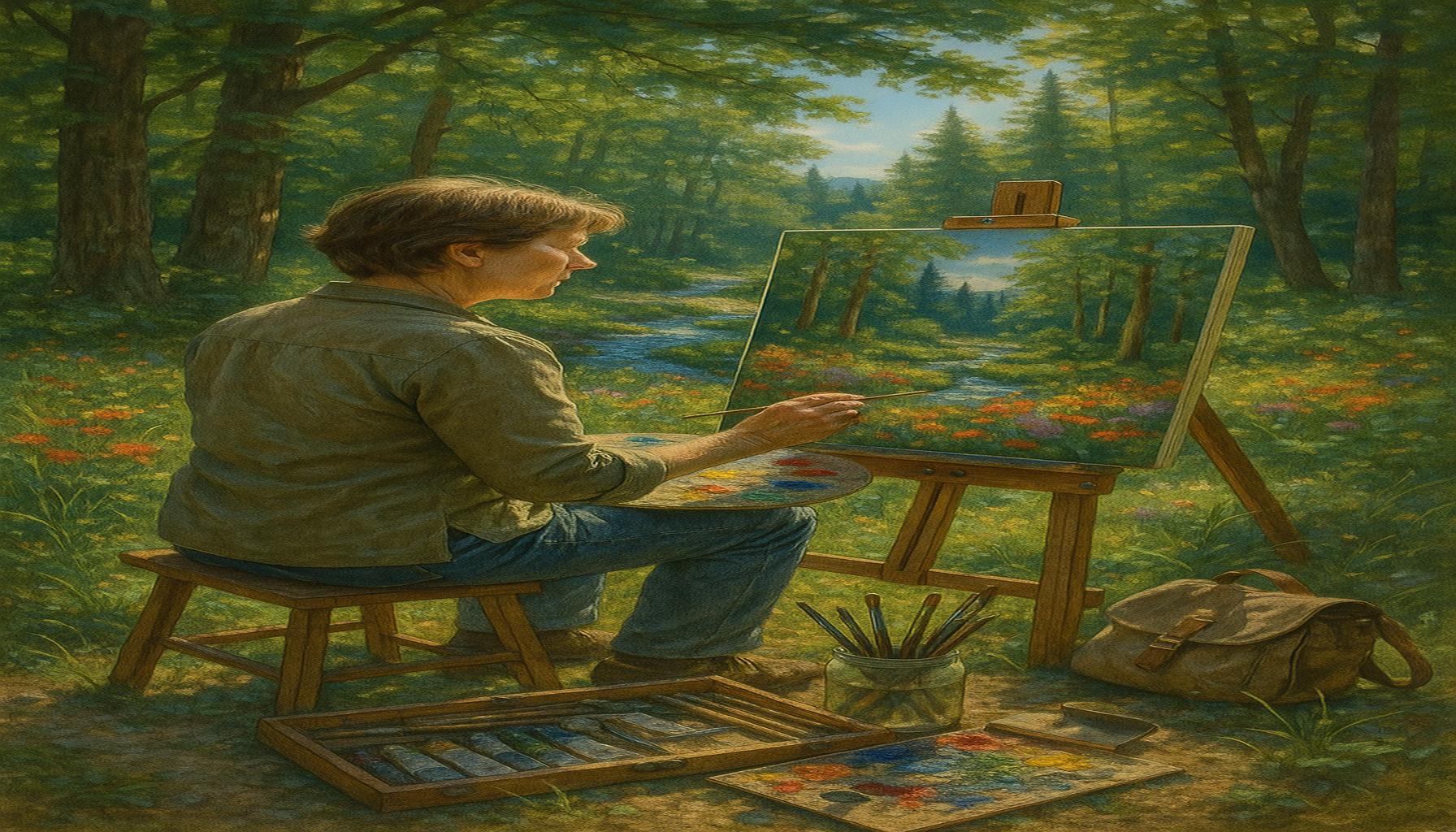
Exploring Nature Through Outdoor Painting
Engaging in outdoor painting allows artists to immerse themselves in the captivating beauty of the natural environment. As creatives seek to encapsulate the essence of landscapes, flora, and fauna, they discover that the great outdoors presents an endlessly vibrant palette to inspire their work. Artists, whether novices or seasoned professionals, often find that translating the beauty of nature onto canvas can be both rewarding and fundamentally challenging.
Understanding the Influences of Nature
A number of key aspects play a pivotal role in outdoor painting, significantly impacting the final outcome of artwork. By considering these elements, artists can develop a deeper understanding of their surroundings and how to effectively represent them.
- Lighting: The time of day drastically influences both color and mood. For example, the golden hour—shortly after sunrise or just before sunset—offers soft lighting that can add warmth and depth to your paintings. This lighting creates a contrast between shadows and highlights, producing rich hues that enhance the overall composition.
- Location: Choosing a spot that resonates personally can greatly affect an artist’s creativity. Whether it’s the tranquil beauty of a serene park, the vibrant energy of a bustling beach, or the expansive wilderness of a national park like Yellowstone, a well-chosen location can serve as an endless source of inspiration, urging artists to translate their feelings onto canvas.
- Weather: The impact of different weather conditions cannot be underestimated. Rain can create atmospheric depth, with reflections on water or the shimmering of wet surfaces, while overcast days offer a muted palette that can soften colors and enhance subtle tones. Conversely, bright sunny days may intensify colors, making shadows stark and vibrant.
Essential Tools and Techniques
To successfully capture the beauty of nature, artists should consider utilizing tools such as sketchbooks and portable easels. These instruments afford the flexibility and spontaneity necessary for outdoor painting, enabling artists to seize fleeting moments of inspiration. Additionally, understanding the unique characteristics of different mediums—including watercolor, acrylic, or oil paints—can significantly impact the results. Each medium offers distinct qualities; for instance, watercolors can provide a sense of luminosity, while oil paints offer rich textures and depth.
This article aims to furnish you with insightful tips and techniques that will enhance your outdoor painting experience. By embracing the right tools and cultivating a deeper knowledge of your surroundings, you can transform your creative vision into striking artworks that reflect the splendor of the world around you. Ready yourself to explore the vast landscapes, intricate details, and dynamic colors provided by nature’s tapestry. As you embark on this artistic journey, you may find your connection to the environment deepens, inspiring even greater creativity in your work.
DISCOVER MORE: Click here to unlock creative journaling ideas
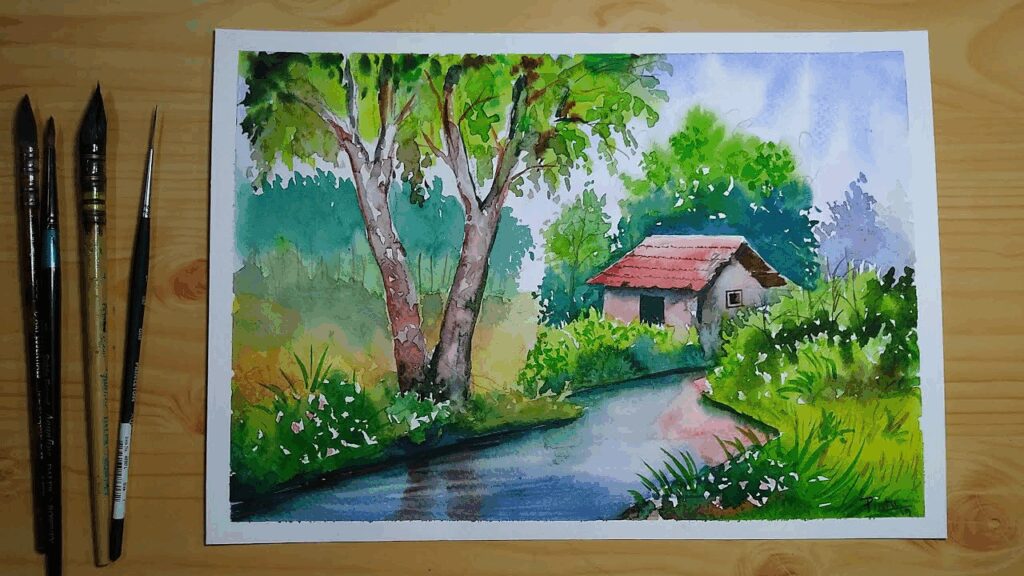
Connecting with Nature: Cultivating Your Outdoor Painting Experience
Embarking on the journey of outdoor painting is as much about mindfulness as it is about artistry. To effectively capture the essence of the natural world, artists must develop a keen eye and an open heart, allowing the environment to influence their creative process. Appreciation for the subtleties of nature can lead to stunning artwork and enhance the overall experience of painting outdoors.
Preparing for the Great Outdoors
Before setting out on an outdoor painting adventure, it’s essential to prepare both mentally and physically. The right preparation can make a significant difference in the outcome of your work. Here is a list of considerations to keep in mind:
- Scout Your Location: Prior to painting, consider visiting your chosen site at a different time of day or under varying weather conditions. This allows you to assess how the scene changes and helps you identify the best angles and compositions to capture your inspiration.
- Pack Thoughtfully: Carry a compact, organized kit that includes all necessary supplies, such as paints, brushes, a palette, and any specialized equipment like a tripod or easel. Ensuring you have the right tools will allow you to focus on the creative process without being hindered by disorganization.
- Dress Appropriately: The ability to stay comfortable is paramount. Wear clothing suitable for the weather conditions, opting for layers when necessary. This will allow you to move freely while keeping you engaged and focused on your artistic endeavor.
Developing Your Artistic Skills on Location
When it comes to painting outdoors, honing specific skills can enhance your ability to reproduce nature on canvas. Here are some techniques to explore:
- Quick Sketching: Engage in quick sketching to capture the essence of your subject rapidly. This practice allows you to focus on composition and shapes before delving into details, helping to establish a strong foundation for your painting.
- Color Mixing: Spend time experimenting with the colors found in your environment. The subtle variations in greens of a forest or the shifting hues of a sunset can inform your color palette and produce a more realistic representation of the scene.
- Layering Techniques: Utilize layering techniques to build depth in your work. Start with a toned base layer and gradually add details, which can enhance shadowing and offer a sense of dimension to your landscapes.
By embracing these preparatory steps and artistic techniques, artists can create impactful works that resonate with the vibrant beauty of their surroundings. Outdoor painting not only allows for the creation of stunning visual interpretations of nature but also fosters a profound connection to the environment. Through exploration and practice, your outdoor painting journey can transform into a fulfilling creative adventure that leaves a lasting mark.
| Advantage | Description |
|---|---|
| Enhanced Creativity | Outdoor painting stimulates the imagination, allowing artists to engage more deeply with their surroundings. |
| Natural Light Benefits | The dynamic quality of natural light enhances colors and brings vividness to landscapes, making for striking artwork. |
Engaging in outdoor painting provides artists a unique pathway to explore their surroundings. The enhanced creativity experienced while painting outdoors not only improves artistic abilities but also fosters a deeper connection to nature’s elements. Artists can observe the intricate details of flora and fauna, which often go unnoticed in studio settings. The vivid colors of an outdoor scene can spark inspiration, encouraging painters to experiment with new techniques and styles.Additionally, the natural light benefits of painting outdoors cannot be overstated. Artists working in natural light enjoy a spectrum of colors that artificial lighting cannot replicate, providing them with a more authentic palette. This quality of light changes rapidly throughout the day, driving painters to capture moments that may never reoccur. The experience of painting outdoors can lead to masterpieces that embody not just the scene, but also the feelings and reactions evoked by the atmosphere. Understanding the importance of location, time, and light will significantly elevate one’s outdoor painting experience.
DISCOVER MORE: Click here to uncover the magic of mobile photography
Embracing the Elements: Techniques for Outdoor Masterpieces
As you delve deeper into the world of outdoor painting, understanding how to embrace the elements can greatly enrich your overall experience and the quality of your artwork. Nature offers a dynamic set of challenges and inspirations that can sharpen your artistic insights. Here are several techniques to help you navigate the unpredictability of the great outdoors:
Utilizing Natural Light
One of the most critical aspects of outdoor painting is the influence of light on your subject. The way light interacts with landscapes can dramatically change your perception of colors, shadows, and forms. Consider the following tips:
- Golden Hour Advantage: The period shortly after sunrise and just before sunset, often termed the “golden hour,” provides optimal lighting conditions. During these times, the soft, warm light brings out rich colors and textures, giving your paintings a magical quality. Plan your outings around these times to maximize the beauty of your compositions.
- Shadow Play: Observe how shadows shift throughout the day and consider how they affect perspective, depth, and mood. Experiment with the interplay of light and shadow in your paintings, noting how they can add an emotional layer to your artwork.
- Transitory Moments: Be vigilant and ready to capture fleeting moments, such as a cloud passing overhead or the sunlight filtering through tree branches. Keeping a sketchbook handy for quick notes or sketches can help you remember these intricate changes.
Incorporating Textures and Patterns
The natural world is filled with interesting textures and patterns that can add depth and visual interest to your paintings. Here’s how you can incorporate them effectively:
- Focus on Natural Textures: Pay close attention to the textures of leaves, rocks, water, and skies. Use various brush strokes or tools to replicate these surfaces, employing dry brushing for rough textures or wet-on-wet techniques for smooth, flowing elements like water.
- Patterns in Nature: Nature is inherently mathematical; look for patterns in the arrangement of branches, the symmetry of flowers, and the ripples on water surfaces. Incorporating these naturally occurring patterns can lead to compositions that draw the viewer’s eye and evoke a sense of harmony.
Experimenting with Different Mediums
While oil and acrylic paints are popular choices for outdoor painting, exploring various mediums can diversify your artwork and provide new textures and colors. Consider these alternatives:
- Watercolors: Watercolors are an excellent choice for their portability and quick-drying nature. The translucency of watercolors allows for subtle layering and blending, making them perfect for capturing the ethereal quality of light in landscapes.
- Pencil and Charcoal: For a different approach, utilize pencil or charcoal for quick studies. These mediums are ideal for capturing the outline and form of nature without the commitment of paint, allowing for more exploration of composition and design.
- Mixed Media: Don’t shy away from combining materials such as pastels, ink, and collage. Mixed media can add unexpected elements to your pieces, enhancing creativity and showcasing your unique artistic voice.
By embracing various techniques, such as understanding natural light, incorporating textures, and experimenting with diverse mediums, outdoor painters can unlock the full potential of their surroundings. Each brushstroke captured in the open air reflects not only the beauty of nature but also the artist’s evolving journey through the captivating world of outdoor painting.
DISCOVER MORE: Click here to learn how journaling can enhance your mental health
Bringing the Outdoors to Life on Canvas
As you embrace the adventure of outdoor painting, remember that the experience is as valuable as the final product. Each day spent capturing the breathtaking beauty of nature is an opportunity for self-discovery and artistic growth. By utilizing the magic of natural light, exploring the intricate textures of your surroundings, and experimenting with different mediums, you enhance not only your artwork but also your connection to the environment.
The beauty of outdoor painting lies in its spontaneity and the way it demands a heightened awareness of the ever-changing world around us. As you engage with your subject, keep an open mind. Allow your artistic intuition to guide you as you paint the vibrant colors of a sunset, the delicate balance of nature’s patterns, or the raw energy of a stormy sky.
For those eager to expand their skills, consider joining local workshops or outdoor painting groups. Sharing experiences and tips with fellow artists can inspire fresh ideas and foster a supportive community. Whether you’re a seasoned artist or just starting, the journey of outdoor painting invites everyone to embrace the wonders of nature and express their personal vision. So grab your brushes, head outside, and let the landscapes reveal themselves to you. There may be no greater thrill than standing in front of a scene, brush in hand, ready to translate the beauty of nature onto the canvas before you.
Related posts:
Art Therapy Emotional Mental Benefits of Creative Painting
Painting as Therapy: Emotional and Psychological Benefits
Exploring Different Painting Styles: From Realism to Surrealism
Digital Painting: The Intersection of Technology and Creativity
Watercolor Painting Techniques: Tips for Creating Incredible and Atmospheric Effects
Painting Techniques for Beginners: Exploring Colors and Textures at Home

Linda Carter is a writer and creative hobbies expert specializing in crafting, DIY projects, and artistic exploration. With extensive experience helping individuals discover their creative potential and bring their ideas to life, Linda shares her knowledge on our platform. Her goal is to empower readers with practical tips, inspiring ideas, and step-by-step strategies for success in the world of creative hobbies.