The Art of Narrative: How to Create Memorable Characters in Your Stories
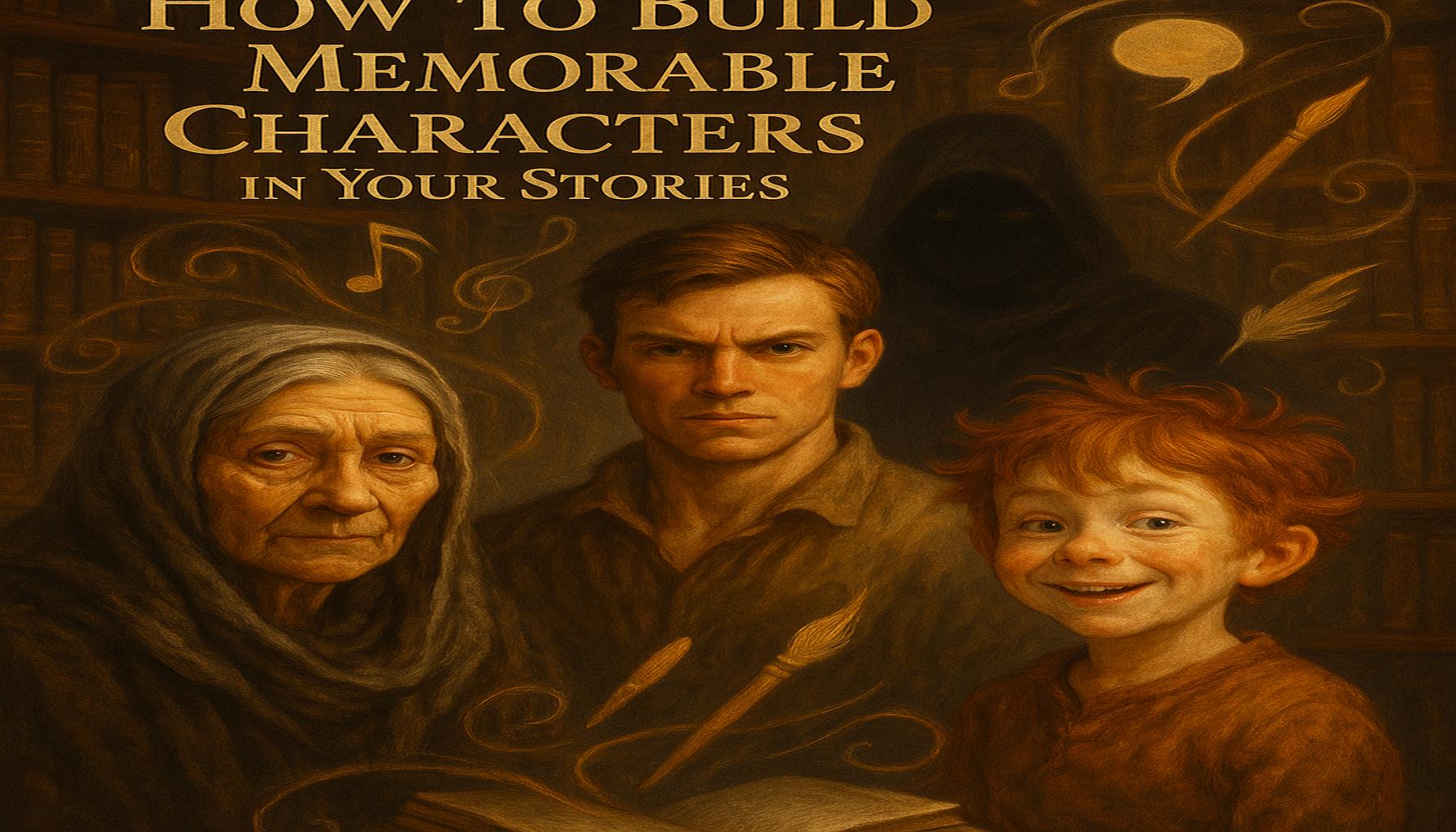
Understanding the Backbone of Storytelling
In the realm of storytelling, characters serve as the essential foundation upon which entire narratives are constructed. They are not merely vessels for plot progression; they embody the emotional core of the narrative, allowing readers to forge deep connections and invest in the outcomes of the story. As we navigate through plots thick with tension or wrapped in intrigue, it is often the characters—with their relatable struggles and triumphs—that linger in our consciousness long after we have closed the book.
The Magic of Character Creation
But what exactly transforms a mere character into an unforgettable entity? The answer lies in several key features that writers should prioritize during the creative process:
- Relatability: Characters who mirror the complexities of human experience engage readers on a profound level. For instance, a character battling anxiety can connect with readers who have faced similar challenges, creating a bond that enriches the narrative.
- Growth: A compelling character does not remain static; instead, they evolve in response to their circumstances. This evolution can manifest in various ways, from overcoming personal fears to adapting to new environments. Think of Elizabeth Bennet from Jane Austen’s “Pride and Prejudice,” who learns to challenge her prejudices and embrace personal growth throughout the story.
- Flaws: Characters that exhibit imperfections are far more relatable and believable. A hero who struggles with anger or a villain motivated by deep insecurities adds layers of complexity. Such flaws not only humanize the characters but also enrich the themes of the story, showing that everyone, regardless of their role, is multifaceted.
The art of crafting captivating characters demands not only skill but also a nuanced understanding of human nature. Writers need to delve into their characters’ backgrounds, motivations, desires, and even their fears, weaving intricate tapestries that make these figures leap off the page.
Behind the Scenes of Character Development
When fleshing out your characters, several critical components come into play:
- Backstory: A well-defined history shapes a character’s present actions and decisions. Understanding where a character comes from allows readers to empathize with their motives. For example, a character who grew up in poverty may have different priorities and fears compared to someone raised in affluence.
- Goals: Clear objectives provide direction and motivation. A character relentlessly pursuing a dream or attempting to mend broken relationships can create tension and intrigue, propelling the plot forward. This is evident in classic narratives like “The Great Gatsby,” where Jay Gatsby’s pursuit of an idealized love drives the story’s conflict.
- Conflict: Whether internal struggles or external challenges, conflict is essential for a gripping narrative. The tension created by characters facing obstacles fuels reader interest and investment. In “The Hunger Games,” Katniss Everdeen’s battle against oppressive societal norms creates a riveting backdrop for her character’s evolution.
As you embark on the journey of character development, keep in mind that crafting memorable characters is not just about filling roles within a narrative; it’s about inviting readers into a fully realized world where they can invest both emotionally and intellectually. Engaging characters elevate your story from mere words on a page to an immersive experience that resonates deeply with readers.

DISCOVER MORE: Click here for artistic journaling inspiration
Elements That Define Memorable Characters
To create characters that resonate with readers, writers must carefully blend various elements. Each character should possess unique traits and complexities that contribute to the overall narrative. Here are some fundamental aspects to consider when developing characters that leave a lasting impression:
- Unique Voice: Every character should have their distinct way of speaking and thinking. This voice provides authenticity, making them feel real and relatable. For instance, a witty and sarcastic tone can endear a character to readers, while a hesitant, soft-spoken demeanor might evoke empathy. Developing a strong voice sets characters apart and enriches the dialogue in your story.
- Relationships: Characters do not exist in isolation; their interactions with others reveal their personalities and motivations. Building dynamic relationships enhances character depth, creating moments of tension, affection, or rivalry that engage readers. The complex bond between Harry Potter and Severus Snape in J.K. Rowling’s series exemplifies how layered relationships can keep readers invested in character arcs.
- Motivation: A character’s motivation drives their actions and decisions throughout the story. Understanding what propels a character—be it ambition, love, revenge, or survival—adds depth to their journey. For instance, in “The Fault in Our Stars” by John Green, Hazel Grace Lancaster’s quest for meaning in her life provides a poignant backdrop that enhances her character’s relatability.
As you delve into character construction, consider these elements to enrich your characters’ journeys and elevate your narrative. Combining a unique voice, intricate relationships, and clear motivations cultivates multidimensional figures that resonate and linger in the minds of readers long after the final page has turned.
The Role of Archetypes in Character Development
While originality plays a critical role in character creation, exploring archetypes can also enhance your storytelling. Archetypes are foundational character types that evoke specific meanings and emotions based on cultural references. These time-honored roles can serve as templates for creating memorable characters by infusing familiar traits with unique twists. Some widely recognized archetypes include:
- The Hero: Often the main character, the hero embodies courage and resilience, facing challenges head-on. Think of Katniss Everdeen from “The Hunger Games,” who emerges as a reluctant hero fighting against oppression.
- The Mentor: This character guides the hero, offering wisdom and support, often reflecting the hero’s potential future. Professors like Dumbledore serve as vital mentors, imparting significant lessons that shape the hero’s journey.
- The Shadow: The opposing force to the hero, the shadow embodies darkness and represents the protagonist’s fears. An example is Voldemort from the Harry Potter series, whose influence challenges the hero’s growth and choices.
Utilizing archetypes allows writers to construct complex characters that resonate universally while still allowing room for individual uniqueness to shine through. By understanding archetypes, writers can better position their characters within the story framework and foster an enriching experience for readers.
The Art of Narrative: How to Create Memorable Characters in Your Stories
Creating memorable characters is an essential skill for any storyteller. It’s not just about giving them names and backgrounds; it’s about crafting personalities that resonate with the audience. Here are two key aspects of character development to consider:
| Character Depth | Engaging Backstories |
|---|---|
| Complex Motivations | Creating characters with multi-layered motives adds depth and makes them relatable. This complexity engages readers as they see aspects of themselves reflected in the character’s journey. |
| Emotional Connections | A well-crafted backstory enables readers to form emotional attachments. Understanding a character’s history drives empathy, compelling readers to invest in their outcomes and dilemmas. |
By focusing on character depth and engaging backstories, authors can elevate their storytelling. Dramatic arcs become much more compelling when readers connect with characters who have real motivations and emotional histories. Explore different facets of your characters to discover the hidden layers beneath their exterior—they may lead your narrative to surprising directions.
In the next section, we’ll delve into how dialogue can further enhance character authenticity and interaction in your stories. Stay tuned!
DIVE DEEPER: Click here to discover the emotional and mental benefits of creative painting
Character Development Through Backstory
Another crucial element in creating memorable characters is the incorporation of a well-crafted backstory. A character’s history informs their perspectives, reactions, and motivations, adding depth that resonates with readers. A character’s past experiences shape who they are in the present, and understanding this backdrop can provide crucial insights into their journeys. Here are some ways to effectively integrate backstory into your character development:
- Reveal Gradually: Instead of dumping years of a character’s history at once, reveal their backstory piecemeal throughout the narrative. This technique creates suspense and maintains reader interest as they piece together the character’s past. For example, in “The Great Gatsby” by F. Scott Fitzgerald, clues about Jay Gatsby’s mysterious past unfold slowly, enhancing intrigue and deepening the emotional stakes.
- Use Flashbacks Wisely: Flashbacks can be a powerful tool to provide exposition without affecting the story’s pacing. A carefully placed flashback can illuminate a character’s motivations and fears, helping to explain their current behavior. However, it’s essential to ensure these flashbacks are integral to the story, enhancing rather than interrupting the flow. “To Kill a Mockingbird” by Harper Lee showcases flashbacks as a way to convey Scout Finch’s childhood and understanding of morality.
- Connect Backstory to the Present: A compelling backstory should have direct implications for a character’s current situation. When a character’s past conflicts with present circumstances, it can create rich narrative tension. For instance, in “The Kite Runner” by Khaled Hosseini, Amir’s childhood traumas continue to haunt him, influencing his decisions and relationships as an adult, which adds layers to his character arc.
Incorporating backstory effectively allows readers to form emotional connections with characters by revealing their vulnerabilities and struggles. This layered approach ensures that characters do not exist merely as devices in a plot; they become relatable figures whose experiences evoke empathy.
Diversity and Representation in Characterization
As storytelling continues to evolve, incorporating diverse characters becomes essential for resonating with a contemporary audience. Representation matters, as it reflects the multifaceted reality of the human experience. When creating characters, embracing diversity—whether in terms of race, gender, sexual orientation, or cultural background—can make the narrative more relatable and enriching. Here are a few points to consider:
- Avoid Stereotypes: While archetypes can be useful, relying heavily on stereotypes can diminish character authenticity. Instead, strive for depth by creating individuals whose experiences and personalities challenge conventional expectations. Characters like Maddy Whittier from “Everything, Everything” by Nicola Yoon exemplify a nuanced portrayal, blending health challenges with youthful aspirations.
- Reflect Real-Life Diversity: Ensure that characters reflect the world around them. Research and strive for authenticity in the portrayal of their backgrounds, cultures, and experiences. Readers are drawn to stories that offer genuine insight into lives different from their own, as seen in “Americanah” by Chimamanda Ngozi Adichie, which explores race, immigration, and identity.
- Encourage Fluidity in Identity: Today’s literature is embracing more fluid representations of identity. Characters who grapple with aspects of their identity—be it gender fluidity or cultural heritage—resonate deeply as they mirror the complexities of contemporary society. Books like “They Both Die at the End” by Adam Silvera introduce readers to characters who navigate love and life against the backdrop of an uncertain future.
By championing diversity and complexity in characters, writers can create a richer narrative tapestry that resonates emotionally with a broader audience. The journey of character creation transforms from a formulaic exercise to a genuine exploration of humanity, enabling readers to forge connections that transcend the confines of the page.
DISCOVER MORE: Click here to uncover great painting techniques
Conclusion
In the realm of storytelling, creating memorable characters is an art that requires thoughtful crafting and a deep understanding of the human experience. Throughout this exploration, we have identified vital components that contribute to compelling character development, including the significance of backstory, gradual revelation of character traits, and the expert use of flashbacks to enrich the narrative. These elements not only add depth but also allow readers to forge emotional connections with characters, making their journeys relatable and impactful.
Moreover, embracing diversity and representation in character creation enhances the richness of stories, reflecting the complex tapestry of society. By avoiding stereotypes and striving for authenticity, writers can create characters that resonate with a wide audience, drawing readers into their unique experiences. As narratives evolve with the times, flexibility in identity representation—whether through cultural, gender, or sexual orientation perspectives—fosters inclusivity and relatability.
Ultimately, the journey of character creation is one of exploration and revelation. When writers invest time in understanding their characters’ motivations, fears, and complexities, they breathe life into their narratives. As a final thought, the stories we tell through our characters can bridge gaps between different lifestyles and experiences, inviting readers into worlds beyond their own. With these insights into the art of narrative, writers are empowered to craft stories that resonate and endure, leaving a lasting impact long after the final page is turned.
Related posts:
The Therapeutic Benefits of Creative Writing: How Expressive Storytelling Can Improve Mental Health
The Importance of Personal Narrative in Creative Writing
Creative Writing as a Tool for Social Connection: Creating Communities Through Words
The Intersection of Creative Writing and Digital Technologies: New Frontiers in Contemporary Narrati...
Creative Journaling Ideas to Reduce Stress and Increase Productivity
Creative Writing Workshops: Cultivating Skills and Community

Linda Carter is a writer and creative hobbies expert specializing in crafting, DIY projects, and artistic exploration. With extensive experience helping individuals discover their creative potential and bring their ideas to life, Linda shares her knowledge on our platform. Her goal is to empower readers with practical tips, inspiring ideas, and step-by-step strategies for success in the world of creative hobbies.