The Birth and Evolution of Impressionism from Classical Techniques
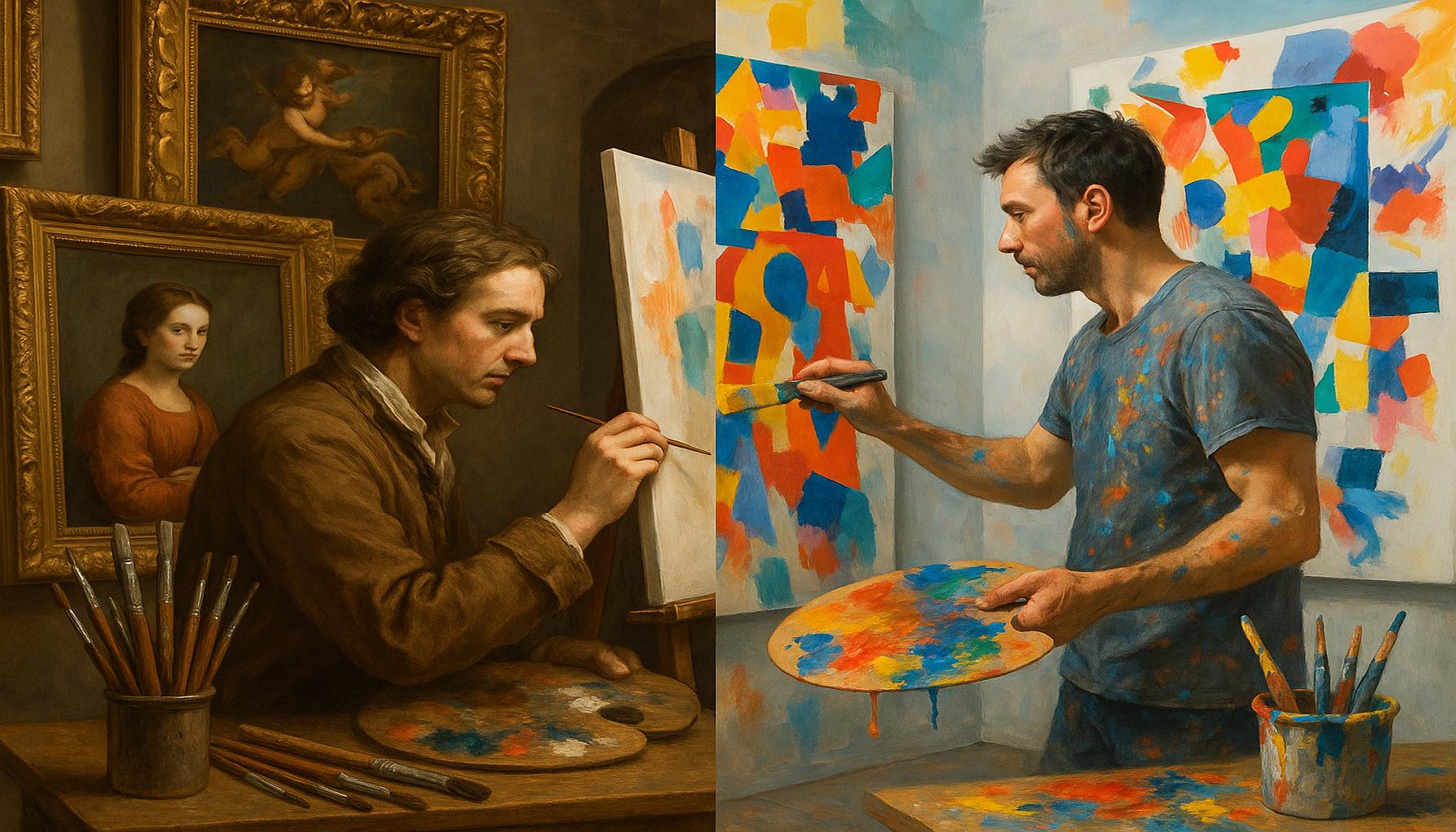
The Transition from Tradition to Innovation
The advent of Impressionism marked a profound departure from the meticulous detail and structured compositions of Classical painting techniques.
Originating in the late 19th century, Impressionism sought to capture the fleeting essence of a moment, focusing on light and color rather than precise realism.
Renowned artists such as Claude Monet and Edgar Degas pioneered this movement, using quick brush strokes and vibrant hues to convey emotions and perceptions, transforming how the world was depicted.
Initially met with skepticism, Impressionism gradually gained acceptance and laid the groundwork for subsequent art movements like Post-Impressionism and Modernism.
This evolution highlights a critical transition in art history, where artists began prioritizing subjective experience over rigid adherence to established norms, ultimately revolutionizing the art world.
FIND OUT MORE!
The Evolution Continues
As we explore the journey from classical techniques to modern art, we witness not just a shift in style but an evolution in thought and perception.
Impressionism, born from classical roots, broke new ground with its innovative approaches to light and color, reshaping artistic expression.
This evolution underscores a deeper narrative of artists responding to the changing world around them, continuously pushing boundaries.
For enthusiasts and scholars alike, understanding this progression offers rich insights into the dynamic interplay between tradition and innovation in the art world.