The Influence of Creative Writing on the Construction of Empathy
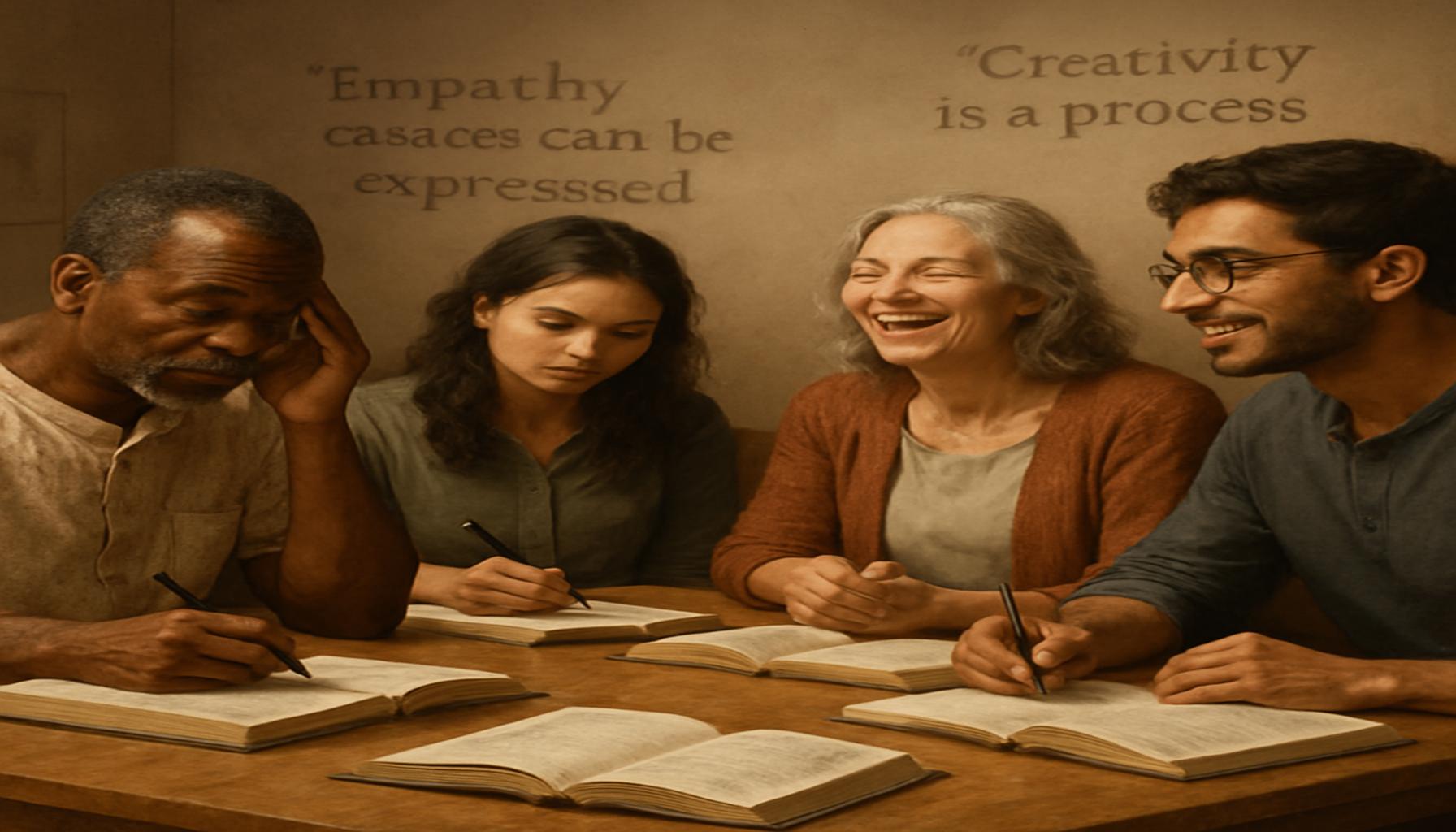
The Power of Creative Writing in Fostering Empathy
Creative writing has long been recognized as a powerful tool for expression, but its impact extends far beyond the page. It serves as a nuanced bridge to understanding others, playing a pivotal role in the construction of empathy. In an era marked by rapid social change and growing divides, the ability to empathize with others is not just desirable; it’s essential for fostering community and understanding. Through creative writing, whether in the form of novels, poetry, or short stories, individuals can explore the depth of human experience in profound ways.
Character Perspectives: One of the primary benefits of creative writing is its ability to present diverse experiences and perspectives. When writers craft characters from various backgrounds—be it through race, gender, socioeconomic status, or geographic location—they invite readers to experience the world through those characters’ eyes. For example, consider the compelling narratives found in works like “The Hate U Give” by Angie Thomas, which provides insight into the life of a Black teenager grappling with issues of identity and justice. Such narratives challenge readers to walk in someone else’s shoes, fostering a greater understanding of their struggles and the complexities of their lives.
Emotional Richness: Creative narratives are often laden with emotional depth, eliciting strong feelings that connect readers to the characters’ inner worlds. This emotional engagement allows readers to tap into their own feelings of compassion, joy, pain, or sorrow. For instance, the poignant poetry of Maya Angelou often evokes a visceral response, as her personal experiences with discrimination and resilience resonate deeply with readers. These emotional connections serve to humanize the experiences of others, making it easier for us to empathize with those outside our immediate circles.
Complex Scenarios: Additionally, creative writing often involves intricate plots that include moral dilemmas and challenging choices. These scenarios encourage readers to think critically about the implications of characters’ decisions and the broader societal issues at play. In novels like “To Kill a Mockingbird” by Harper Lee, readers are invited to grapple with themes of injustice and moral courage through the character of Atticus Finch. This not only enables a deeper exploration of societal issues but also prompts reflection on our own values and the choices we make in our lives.
This art form immerses individuals in stories that evoke compassion and understanding. It broadens our horizons and invites us to reflect on our own lives in relation to others. As we explore the influence of creative writing on empathy, the correlations become evident. The written word can be a powerful agent for change, unlocking new perspectives and fostering deeper connections among people. Through this exploration, individuals may find themselves more attuned to the realities of others, ultimately contributing to a more empathetic society.
DISCOVER MORE: Click here to elevate your mobile photography skills
Empathy Through Narrative Engagement
At the heart of creative writing lies the art of storytelling, a timeless tradition that transcends cultures and generations. This art form enables readers to engage with narratives in a manner that cultivates empathy. When individuals immerse themselves in stories, they are more than just passive consumers; they become active participants in a character’s journey. This emotional investment is a catalyst for developing a deeper understanding of others’ lives, fostering the ability to relate to experiences that may be vastly different from their own.
Diverse Voices and Experiences: Creative writing encapsulates a mosaic of voices and experiences. It offers a unique platform for marginalized groups to share their stories, thereby enriching the reader’s perspective. For example, novels like “The Color Purple” by Alice Walker allow readers to encounter the profound struggles and triumphs of African American women in the early 20th century. By presenting narratives that often go untold in mainstream literature, creative writing shines a light on the multifaceted realities of human existence, prompting readers to reflect on their own biases and assumptions.
Moreover, engaging with characters from different backgrounds can help dismantle stereotypes. A study by the National Endowment for the Arts found that reading fiction has the potential to enhance empathy. Readers who consume literary fiction exhibit increased levels of emotional intelligence and social cognition. This indicates that the act of reading stories that challenge one’s worldview can lead to more compassionate perspectives.
Emotional Resonance: The emotional resonance of stories plays a critical role in empathy construction. Creative writing has a remarkable capacity to evoke feelings that mirror those the characters experience. The vivid imagery and emotional depth in the narrative allow readers to experience joy, sorrow, anger, and relief alongside the characters. Works such as “A Man Called Ove” by Fredrik Backman invite readers into the world of a curmudgeonly old man, revealing layers of grief and longing that resonate deeply. Readers are not just observing; they are feeling, connecting with the emotional landscapes drawn by the author.
List of Benefits of Creative Writing for Empathy:
- Increased Exposure: Readers encounter diverse perspectives, broadening their understanding of societal issues.
- Emotional Engagement: Readers connect emotionally with characters, fostering compassion and understanding.
- Critical Reflection: Moral dilemmas in stories prompt readers to reflect on their own values and choices.
- Social Awareness: Stories highlight historical and contemporaneous injustices, encouraging empathy towards those affected.
Ultimately, creative writing offers readers an opportunity to bridge gaps between themselves and others, leading to a richer and more nuanced understanding of human experience. As illustrated by various literary works that capture the essence of human struggles, the engagement with these narratives is transformative. They serve not only as entertainment but as a crucial means of cultivating the empathy necessary to navigate an increasingly divided world.
The Influence of Creative Writing on the Construction of Empathy
Creative writing serves as a powerful vehicle for enhancing empathy through imaginative engagement. By crafting stories that navigate the complexities of human experience, writers invite readers to step into the shoes of others. This deep immersion fosters a greater understanding of diverse perspectives, ultimately leading to a more empathetic society. Research shows that reading fiction significantly impacts emotional intelligence, as it challenges individuals to recognize feelings and motivations in others. Authors often create multi-dimensional characters that mirror real-life struggles, enabling readers to relate closely and arousing compassion. This is especially important in our increasingly polarized world, where understanding varying viewpoints can bridge divides.Moreover, engaging in creative writing helps individuals reflect on their own emotions. This process encourages a more profound self-awareness, laying the groundwork for empathizing with others. Writing prompts that focus on characters experiencing joy, sorrow, or conflict can cultivate a deep internal dialogue, nurturing emotional connections that transcend mere words.The subsequent table underlines specific advantages of creative writing in building empathy, showcasing its key attributes and benefits.
| Category | Key Features |
|---|---|
| Storytelling | Engages readers by presenting relatable characters and situations. |
| Emotional Connection | Encourages empathy by evoking emotions and understanding diverse perspectives. |
| Imagination | Stimulates creativity and connection with varied human experiences. |
| Self-Reflection | Nurtures insights into personal emotions and motivations, leading to greater empathy. |
By exploring these dimensions through creative writing, individuals not only enrich their understanding but also build compassion, steering society towards a more empathetic future.
DISCOVER MORE: Click here to dive deeper
Transformative Learning Through Creative Writing
Creative writing is not solely a means of storytelling; it also serves as a significant vehicle for transformative learning. Engaging in the act of writing, particularly for individuals who take part in workshops or literary classes, fosters a reflective space where they can explore and articulate their own identities and the experiences of others. Through the practice of writing fiction, poetry, or even personal essays, individuals navigate complex emotional landscapes. This process often results in a heightened awareness of the nuances inherent in human relationships, thereby amplifying their ability to empathize with others.
Writing as a Reflective Process: The act of writing requires introspection, which promotes self-discovery and personal growth. Many educational programs emphasize the connection between writing and critical thinking, urging students to delve deeper into their motivations and those of their characters. For instance, participants in creative writing classes are often encouraged to write from the perspective of characters who differ vastly from themselves. This exercise not only enhances their storytelling skills but also enables them to engage deeply with themes of identity, culture, and social justice. By confronting their own biases and assumptions in this manner, writers cultivate a more empathetic viewpoint.
The Power of Shared Narratives: Collective narratives also play a crucial role in fostering empathy. Initiatives like storytelling circles in communities encourage individuals to share their life experiences in a safe and supportive environment. This practice illuminates the common humanity that binds people together, even among those from disparate backgrounds. For example, programs such as “StoryCorps” have enabled countless individuals across the United States to share their stories, recording their narratives in a way that honors the authenticity of human experiences. The impact of hearing these individual accounts cannot be overstated, as they invoke compassion and understanding that transcends mere sympathy.
The Neuroscience Behind Empathy and Writing: Research has shown that engaging with creative writing can have neurological benefits, activating areas of the brain associated with empathy and emotional understanding. Neuroscientists have identified that when individuals read literature or compose narratives, their brains simulate the experiences of characters, producing empathetic responses. Studies suggest that this activation leads to a greater ability to understand emotions in real-life interactions. This neurological evidence underscores just how integral creative writing is in honing these essential emotional skills.
Bridging Interpersonal Relationships: Furthermore, creative writing extends its influence into interpersonal relationships. Individuals who engage with fiction may find themselves better equipped to navigate conversations about complex social issues or personal dilemmas. By exploring different perspectives through writing, they gain insight and practice articulating feelings in ways that resonate with others. For instance, writing letters or personal essays that delve into emotional experiences can facilitate dialogue between individuals who may not otherwise feel comfortable discussing sensitive topics. In this capacity, creative writing becomes more than an artistic pursuit; it is a practical tool for improving human connection.
As creative writing continues to evolve in contemporary society, it remains a potent force for fostering empathy. Its ability to connect people through shared experiences and emotional truths highlights the unique role that narratives play in shaping a more compassionate world. The potential for creative writing to inspire empathy is not only revolutionary in educational contexts but also essential in our increasingly diverse and divided social landscape.
DISCOVER MORE: Click here to dive deeper into painting techniques
Concluding Thoughts on Creative Writing and Empathy
In the journey of understanding the influence of creative writing on the construction of empathy, it becomes evident that this artistic form is more than mere words on a page. It serves as a dynamic medium that bridges gaps between diverse experiences, inviting writers and readers alike to immerse themselves in perspectives beyond their own. Through the mechanisms of storytelling, reflective writing, and communal sharing, creative writing fosters a unique environment that cultivates empathy and emotional intelligence.
As demonstrated throughout this exploration, engaging in creative writing enhances critical self-reflection, enabling individuals to confront their own biases and assumptions. This process not only contributes to personal growth but also encourages a deeper connection to the complexities of human experience. Additionally, initiatives that promote shared narratives—such as storytelling circles and platforms like StoryCorps—further reinforce the idea that empathy is rooted in understanding and valuing the stories of others.
Current research into the neurological impacts of creative writing underscores its transformative potential, illustrating how the act of writing can activate empathy-related brain regions and enhance emotional resonance in real-life interactions. This revelation calls for a greater appreciation of creative writing not only as an artistic endeavor but as a practical tool for fostering interpersonal connections, especially in today’s increasingly polarized society.
Ultimately, embracing creative writing as a medium for empathy is imperative. As we continue to face complex social issues, the power of narrative can guide us toward greater compassion, understanding, and connection. With each pen stroke, we can move closer to a more empathetic society, one story at a time.
Related posts:
The Role of Creative Writing in Education: Stimulating Creativity in Young Learners
Diaries and Memories: The Power of Personal Writing in Creative Expression
The Importance of Revision: How to Refine Your Text to Impact the Reader
Transforming Everyday Experiences into Stories: The Art of Finding Inspiration in Daily Life
The Importance of Creative Writing for Personal Emotional Growth
Collaborative Writing: Creating Stories Together with Other Authors

Linda Carter is a writer and creative hobbies expert specializing in crafting, DIY projects, and artistic exploration. With extensive experience helping individuals discover their creative potential and bring their ideas to life, Linda shares her knowledge on our platform. Her goal is to empower readers with practical tips, inspiring ideas, and step-by-step strategies for success in the world of creative hobbies.