Tips for Beginners: How to Choose the Right Materials for Painting
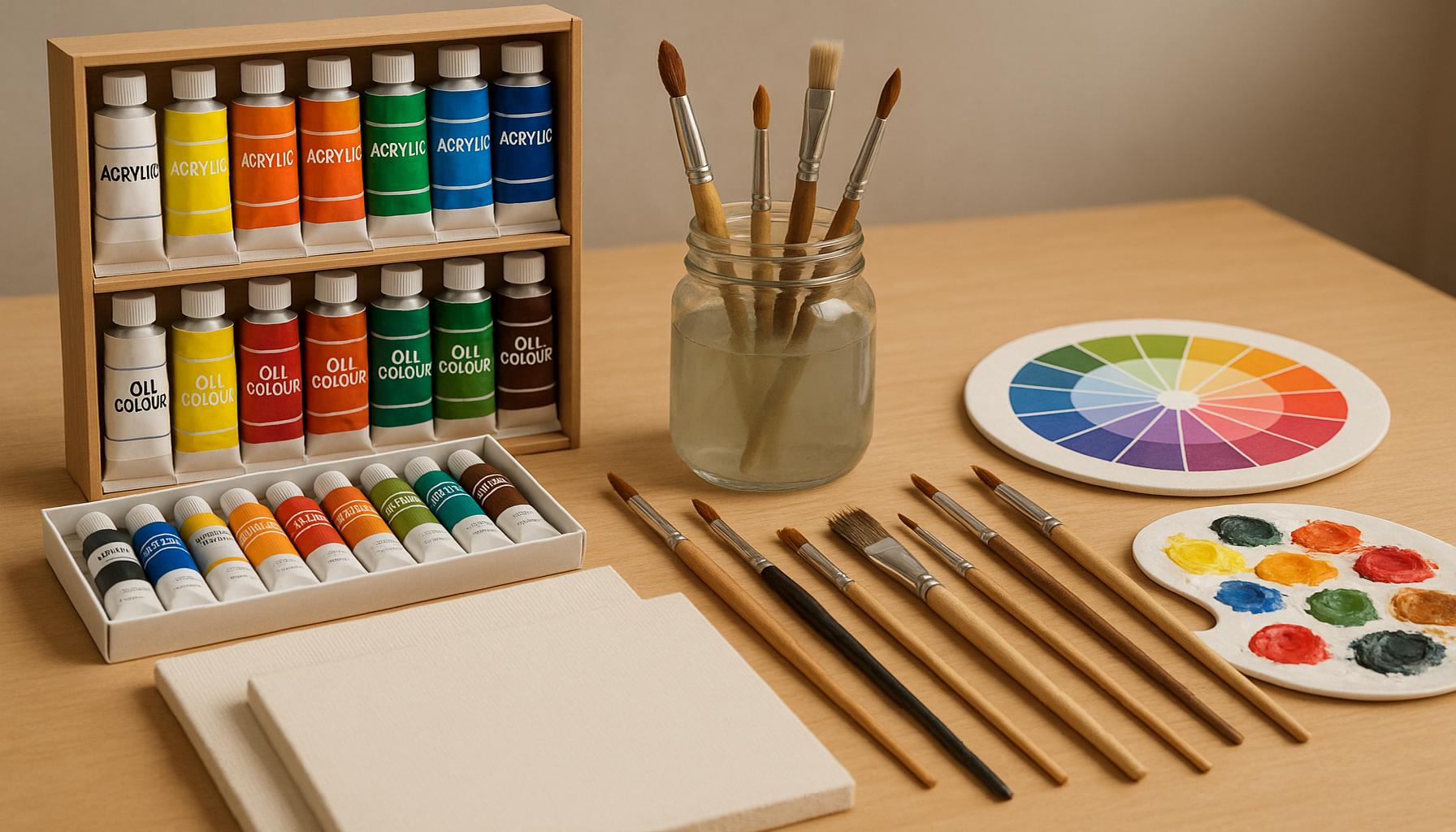
Embarking on an artistic journey can be thrilling, yet equally overwhelming, especially when faced with the vast array of painting materials available today. From novice hobbyists to seasoned artists looking for fresh inspiration, understanding the nuances of these materials is essential for effective expression. This guide will elucidate key elements to consider, helping you make informed decisions that align with your creative aspirations.
Key Considerations When Selecting Painting Materials
Before you begin your next art project, it’s vital to reflect on several important aspects:
- Type of Paint: The paint type you choose significantly impacts your creative process and the finished product. For instance, watercolors are celebrated for their transparency and fluidity, ideal for creating delicate landscapes or intricate illustrations. Acrylics, on the other hand, are versatile and fast-drying, making them suitable for beginners who wish to work quickly. They can also be used on various surfaces, including canvas and fabric. Finally, oil paints lend themselves to rich and vibrant colors but require longer drying times and specific techniques, appealing to artists who enjoy a more traditional approach.
- Brush Selection: Brushes come in a variety of shapes and sizes, each designed for certain techniques. For example, flat brushes can deliver broad strokes, while round brushes are excellent for details and fine lines. A well-rounded brush collection can equip you to tackle different styles—from broad landscapes to intricate portraits.
- Surface Quality: The surface on which you paint can dramatically influence your artwork’s finish. Using a high-quality canvas can provide texture and support for layering techniques, while sturdy watercolor paper often features a textured finish for optimal paint adherence. Wooden panels are also an emerging choice for artists seeking an alternative to traditional surfaces, adding a unique dimension to their creations.
Factors to Explore
Diving deeper, there are several factors to consider that can elevate your artistic endeavors:
- Color Range: A well-curated palette can be a source of inspiration for any artist. Exploring different color theories and investing in high-quality pigments can provide vibrancy and depth to your works. Take time to experiment with mixing colors to find your unique hue combinations.
- Durability: When choosing materials, consider their longevity. For example, paintings created with high-quality oils may resist fading for decades, while improperly mixed acrylics could lead to cracking over time. Testing your materials in small batches can help you determine their durability and performance in your specific conditions.
- Cost: It’s critically important to strike a balance between quality and budget. While premium brands often deliver superior results, there are many affordable options that provide satisfactory performance for beginners. Take advantage of local art supply stores or online reviews to find hidden gems that fit within your budget.
This article not only aims to guide beginners but also encourages ongoing exploration within the art community. By understanding how to choose the perfect materials, you empower your artistic vision to manifest in captivating ways, ultimately igniting a lifelong passion for painting.
DIVE DEEPER: Click here to enhance your creative workflow

Understanding Paint Types and Their Impacts
Choosing the right painting materials begins with a thorough understanding of the different types of paint available. Each paint medium has its own set of characteristics and benefits that can shape your artistic journey. Let’s explore some common paint types:
- Watercolors: These paints are known for their transparent quality, allowing artists to layer colors effectively. They are often used for creating soft, dream-like compositions, making them suitable for landscapes and botanical illustrations. The fluidity of watercolor also necessitates a unique approach, where water is used to manipulate color intensity.
- Acrylic Paints: Acrylics are incredibly versatile, making them a popular choice among beginners. They boast fast drying times, enabling artists to build layers without long waits. Additionally, they can mimic both watercolors and oils depending on how they are diluted or mixed, granting even novice painters an expansive possibility for creativity.
- Oil Paints: Renowned for their rich pigments and blending capabilities, oil paints have been a staple for centuries. Although they require a longer drying period, this allows for more time to blend colors and refine details. However, beginners should be aware of the need for specific solvents and mediums when using oils, which might introduce a steeper learning curve.
The Importance of Brushes
An often-overlooked aspect of painting is the choice of brushes. Selecting the right tools can drastically influence your artistic outcomes. Here are some tips for making an informed decision:
- Different Shapes and Sizes: Brushes come in a multitude of shapes—flat, round, filbert, and fan brushes—all designed for specific techniques. A flat brush is ideal for broad strokes and backgrounds, while a round brush can create sharp details and fine lines. A diverse brush collection allows you to explore varying techniques without limits.
- Bristle Types: Brushes can have natural or synthetic bristles, each offering different levels of flexibility and firmness. Natural bristle brushes, like those from hog or sable, excel in holding paint and creating textured strokes. In contrast, synthetic brushes are perfect for acrylics, as they stand up to frequent cleaning and are often more budget-friendly.
- Comfort and Grip: When painting, comfort is essential. Look for brushes with ergonomic handles that fit comfortably in your hand. A good grip will improve your control and prevent fatigue during long sessions.
With a clearer understanding of the various paint types and brushes at your disposal, you are better equipped to choose materials that resonate with your personal style and artistic expression. The next steps involve examining the surfaces you will be working on and how these choices can affect the interaction between the paint and the chosen medium.
Understanding Different Types of Paint
When embarking on your painting journey, it’s essential to familiarize yourself with the various types of paint available. Each category of paint serves specific needs and can significantly affect the outcome of your project. Acrylic Paint is a popular choice among beginners due to its versatility and ease of use. It dries quickly, allowing for fast layering, which is beneficial for those eager to see their work progress. Additionally, acrylics can mimic the effects of both oil and watercolor paints, making them a flexible option for experimentation.Oil Paint, while a bit more challenging to handle, offers a richness and depth of color that is unmatched. Its slow drying time allows artists to blend colors seamlessly, providing more time for adjustments. However, beginners may need to invest in different solvents for cleanup and a proper drying medium.
Essential Tools and Accessories
Aside from paint, selecting the right tools and accessories is critical for achieving desired results. A good set of paintbrushes can make a significant difference in your painting experience. Brushes come in various shapes and sizes, each tailored for specific techniques—flat brushes for broad strokes, round brushes for detail work, and filbert brushes for a combination of both. Investing in quality brushes can elevate your work and enhance your techniques.Canvas and other surfaces (like watercolor paper and wood panels) also play a vital role in your painting journey. Choose a surface that complements the type of paint you intend to use; for example, a textured canvas is ideal for oil paints, while smooth surfaces are preferred for acrylics.Pay attention to mediums and additives as well. These can change the consistency, drying time, and finish of your paint, opening a world of creative possibilities. Understanding how these materials interact will help in achieving your artistic vision.Begin your painting adventure by familiarizing yourself with these materials and their unique qualities. As you become more comfortable and confident, you’ll find yourself exploring further options and techniques that can enhance your artwork. Happy painting!
DISCOVER MORE: Click here to dive deeper into mobile photography tips</p
Selecting the Right Surfaces for Your Artwork
As you delve deeper into the world of painting, choosing the appropriate surfaces is just as crucial as selecting the right paint and brushes. The surface on which you paint can dramatically impact both technique and final appearance. Below, we highlight some common materials and their suitability for various painting mediums:
- Canvas: Perhaps the most recognized surface among painters, canvas comes in various textures and formats. It is especially popular for acrylics and oils. Stretched canvas offers a ready-to-paint surface, while canvas boards are more portable and budget-friendly. When choosing canvas, consider the texture; a rough texture can hold more paint, while a smoother one allows for finer detail work.
- Watercolor Paper: Specifically designed for watercolors, this paper features a unique texture that can absorb water without warping. Watercolor paper comes in different weights, typically measured in pounds; heavier options (like 300 lb) can withstand more water, making them ideal for techniques that require large washes or layering. Opting for good-quality paper can significantly enhance your watercoloring experience.
- Wood Panels: An increasingly popular choice for both oils and acrylics, wood panels provide a sturdy, smooth surface. They are known for preventing warping over time and are excellent for detailed work. Be sure to seal and prepare your wood panels appropriately before painting to ensure paint adhesion and longevity.
- Cardstock: For beginners looking to experiment without heavy investment, cardstock can be a viable option. While it doesn’t perform as well as other surfaces for professional results, it’s perfect for practice sessions and preliminary sketches. This lightweight option allows you to test color palettes and techniques without the pressure of wasting expensive materials.
Exploring Additional Materials: Beyond Paint and Brushes
In addition to selecting the core components of your painting setup, understanding complementary materials is essential. These can enhance your creative process and help you achieve specific results:
- Palettes: A good palette allows you to mix colors effectively. Paper, plastic, or glass palettes each have their characteristics. Disposable paper palettes are easy to use and clean, while glass palettes can enable you to see the true color of your mixtures without distortion.
- Mediums and Additives: Depending on your chosen paint type, introducing mediums can alter texture and drying times. For instance, adding a retarder to acrylic paint can slow drying time, while linseed oil can be introduced to oil paints for increased gloss and flexibility. Familiarizing yourself with these materials can significantly expand your artistic capabilities.
- Varnishes and Finishing Sprays: These are often overlooked but essential for protecting your artwork. Varnishes can either be matte, satin, or gloss depending on the desired finish, while sprays are useful for canvas and paper artworks alike. Using a protective layer can enhance durability and preserve your work for years to come.
Being well-informed about the myriad of surfaces and supplementary materials available will empower you to express your artistic vision with confidence. Whether you’re doodling on cardstock or layering oils on canvas, each surface contributes a unique element to your creative journey. Understanding these essentials can lead to exciting discoveries and growth as an artist.
DISCOVER MORE: Click here to delve deeper into the healing power of art
Conclusion: Embrace Your Artistic Journey
In the world of painting, the right materials can be the difference between a frustrating experience and a fulfilling creative endeavor. As we explored in this article, understanding how to choose the right materials for painting is not merely about picking a brush or a canvas; it’s about equipping yourself with the knowledge that will facilitate your growth as an artist. From canvas and watercolor paper to a variety of mediums and varnishes, each material brings its own unique characteristics that can influence your work.
For beginners, the ability to experiment with different surfaces—be it cardstock for sketching or wood panels for more serious projects—can provide invaluable learning opportunities. Additionally, understanding how complementary materials, such as palettes and finishing sprays, enhance your artistic process will boost your confidence and creativity. Each choice you make contributes to your signature style and can lead to unexpected techniques and results.
Ultimately, rather than feeling overwhelmed by the vast array of choices, view this exploration of materials as an exciting adventure. Engaging with different options can inspire you to produce captivating art that reflects your unique perspective. Remember that, as you continue to develop your skills and experiment with various materials, the journey is as important as the final masterpiece. So gather your supplies, embrace your creativity, and let each stroke of paint reveal a new facet of your artistic story.
Related posts:
Exploring Different Painting Styles: From Impressionism to Abstract
How Digital Painting Is Transforming Artistic Creativity
The Evolution of Painting as a Hobby: From Impressionism to Abstract Expressionism
Collaborative Painting: Uniting Artists and Communities in Collective Projects
Watercolor Painting Techniques: Tips for Creating Incredible and Atmospheric Effects
The Importance of Color in Painting: Psychology and Emotions

Linda Carter is a writer and creative hobbies expert specializing in crafting, DIY projects, and artistic exploration. With extensive experience helping individuals discover their creative potential and bring their ideas to life, Linda shares her knowledge on our platform. Her goal is to empower readers with practical tips, inspiring ideas, and step-by-step strategies for success in the world of creative hobbies.