Visual Narrative: How to Integrate Graphic Elements in Your Creative Writing
The Evolution of Storytelling Through Visuals
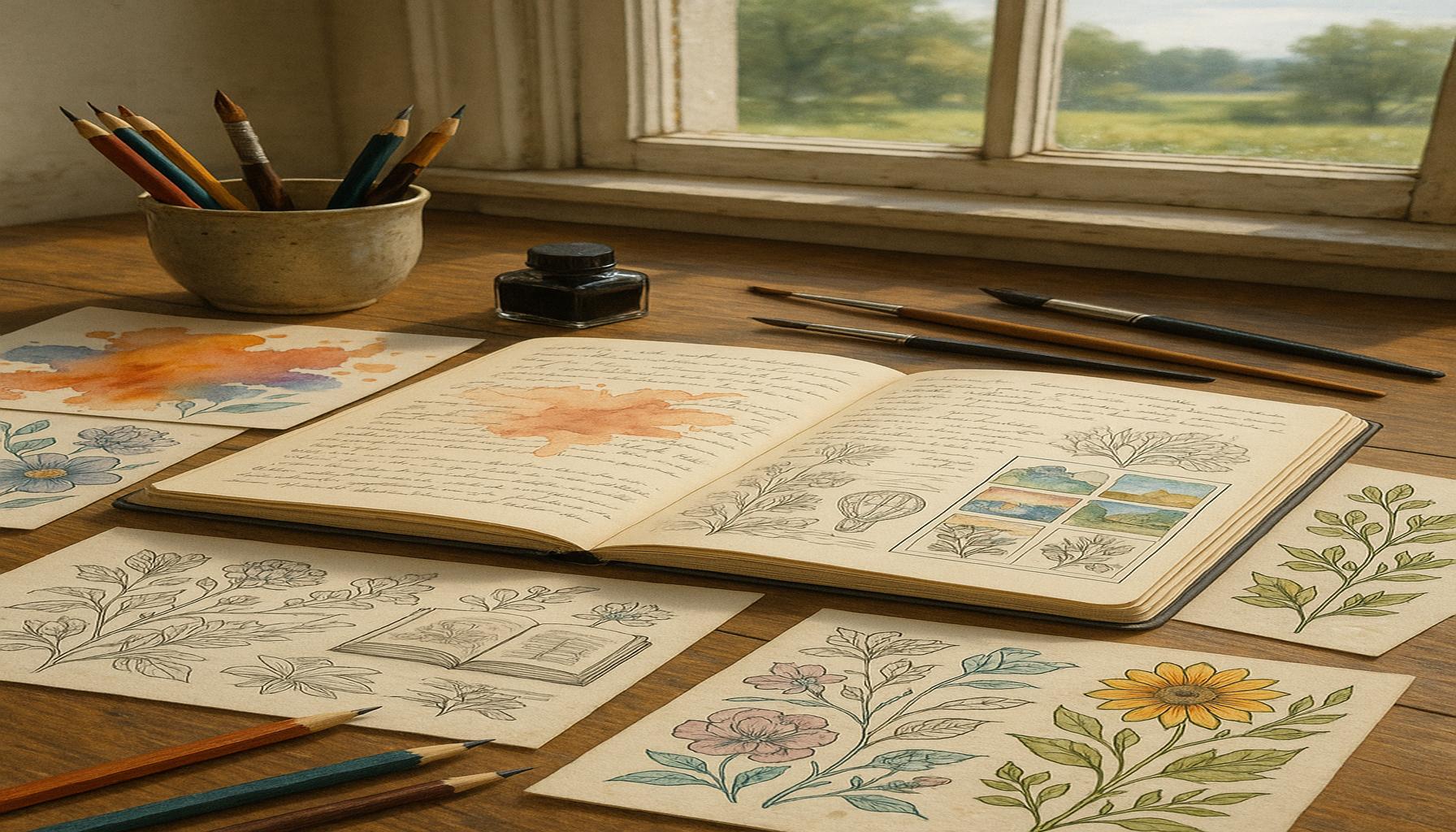
In our fast-paced modern world, the way we consume and understand narratives has dramatically changed. With the rise of digital technology and social platforms, the art of storytelling has evolved from traditional prose to an immersive experience that includes various graphic elements. Visuals not only attract attention but also deepen understanding, transforming the way narratives are conveyed.
Incorporating illustrations into stories is an age-old technique that can significantly enrich the reading experience. For instance, children’s books rely heavily on colorful and engaging illustrations to capture the imagination of young readers. The classic “Where the Wild Things Are” by Maurice Sendak offers a perfect blend of text and artwork that complements the whimsical nature of the story. This connection aids in comprehension and retention, tapping into the visual learning preferences of many readers.
Infographics are another powerful tool in the realm of visual narratives. They present complex information in a simplified, eye-catching format. Consider a detailed infographic that depicts the effects of climate change. Rather than sifting through a cumbersome text filled with statistics and scientific jargon, a reader can quickly grasp critical points through visual data representation, such as charts and graphs that highlight rising temperatures or melting ice caps. This approach not only makes the information accessible but also sparks curiosity, encouraging further exploration of the topic.
Interactive media, including hyperlinks and embedded videos, offers yet another layer to storytelling. This format transforms static reading into a dynamic experience. For example, a blog discussing the history of jazz music can incorporate video clips of legendary performances. This immersive element allows readers to engage with the material actively, catering to varying preferences in content consumption and enhancing their overall understanding.
As we embark on this exploration of visual narratives, it will become evident how invaluable these strategies are for modern communicators. In a landscape filled with constant distractions, capturing attention is crucial. The synergy between visuals and narratives not only strengthens the storytelling but also invites a broader audience to engage with the content. By mastering the incorporation of graphic elements, creators can elevate their narratives to new heights, making their stories not just read, but felt and experienced.

Ultimately, the marriage of text and visuals is not merely a trend but a substantial shift in storytelling. As this integration becomes more pronounced, understanding its nuances will be essential for writers, marketers, and educators alike. This evolution is not just about capturing attention; it’s about enhancing the way we share ideas and ideas—and that is a journey worth exploring further.
DISCOVER MORE: Click here to unleash your creativity
Understanding Visual Elements in Storytelling
To truly appreciate the role of visual elements in storytelling, it’s essential to understand the different types of graphics that can be integrated into creative writing. Each type serves a unique purpose and can significantly enhance the narrative flow and emotional engagement of the audience. The following are some popular graphic elements that writers can incorporate into their work:
- Illustrations: These can range from simple sketches to detailed artwork that embodies the themes or characters within the story. Illustrations can evoke emotions, convey moods, and even foreshadow events, providing readers with a richer context.
- Infographics: As mentioned previously, infographics present data in a visually compelling way. They can break down complex ideas into digestible formats, guiding readers through observed phenomena or trends that the narrative might touch upon.
- Charts and Graphs: These are particularly useful in stories requiring statistical support. By integrating graphs that demonstrate trends or relationships, a writer can bolster their arguments or assertions, creating a more persuasive narrative.
- Photography: Complementing written content with images, especially in memoirs or travel writing, allows authors to share profound or vivid moments with their readers. A striking photograph can set the tone of a story, transporting readers to distant locales or emotional landscapes.
- Maps: For stories that explore new worlds, whether in fantasy or reality, maps serve as invaluable tools. They can help readers visualize the geography of the narrative, allowing for a better understanding of character journeys and narrative logistics.
When considering how to incorporate these elements, it’s crucial to remain purpose-driven. Each graphic should serve a specific function within the narrative—it should not simply be placed for aesthetic reasons. For instance, a well-placed illustration can enhance understanding and provoke emotional responses, while a mismatched infographic may distract or confuse readers. To achieve this harmony between text and visuals, authors need to ask themselves a series of critical questions:
- What message do I want to convey through this graphic element?
- Does this visual aid in advancing the plot or developing the characters?
- Will this graphic resonate with my target audience’s preferences?
- How does this element integrate into the overall design of the narrative?
The answers to these questions guide writers in making informed choices about which graphic elements to incorporate into their work. A study by the Social Science Research Network has shown that audiences are more likely to recall information when it is accompanied by relevant graphics. This reinforces the idea that the integration of graphics is not just a stylistic choice, but a strategic decision that fosters deeper connection and understanding.
Ultimately, as we navigate this new landscape of visual narrative, writers must remain adaptable and innovative. In a society overflowing with visual stimuli, mastering the art of combining text and images sets the stage for captivating storytelling that resonates with diverse audiences.
Visual Narrative: Enhancing Your Storytelling
Incorporating graphic elements into creative writing is not just about adding pictures or illustrations; it is about creating a dynamic interaction between text and image that enriches the narrative. By using visual storytelling techniques, writers can produce a compelling experience that engages readers on multiple sensory levels. The integration of maps, infographics, or even drawings can serve as a visual anchor, guiding the reader through a complex narrative or setting context for emotional moments within the story.Moreover, the power of visual elements lies in their ability to elicit emotions and reactions that words alone often cannot. Think about how a single image can evoke powerful feelings—this effect can be deliberately harnessed in writing to steer the readers’ perceptions and emotional responses.Additionally, trends in digital media allow creative writers to incorporate multimedia elements seamlessly. Writers can now blend traditional storytelling with digital graphics, such as animated visuals or interactive layouts, which can help to attract a broader audience. Writers equipped with the skills to use graphic design concepts effectively will not only stand out but can also enhance their stories’ memorability and impact.The nuances of imagery can also interject different layers of meaning into your work. An author might choose a specific color palette or style to reflect a pivotal theme or character trait. Such choices transform the reading experience, inviting readers to explore deeper connections and interpretations of the text.To support writers in this endeavor, understanding key principles of graphic design can further advance their storytelling capability. From layout to color theory, each element plays a critical role in shaping the narrative’s visual landscape. By bridging the gap between text and graphics, writers promote a more immersive experience, ultimately fostering greater retention and comprehension of the material. Let’s delve deeper into the specific advantages of integrating graphic elements through the table below.
| Advantage | Description |
|---|---|
| Increased Engagement | Visual elements capture attention and maintain reader interest through variety. |
| Enhanced Clarity | Graphics can simplify complex concepts, making stories easier to understand. |
DIVE DEEPER: Click here to boost your creativity!
Creating a Seamless Integration of Text and Graphics
Once a writer understands the various graphic elements available, the next step is to ensure these components are harmoniously integrated into the text. A seamless blend of visuals and narrative not only enhances the reader’s experience but also strengthens the overall storytelling. Here are some effective strategies to achieve this:
- Establish a Visual Hierarchy: Just as writers use formatting techniques to emphasize certain elements within the text, a visual hierarchy can guide readers through graphic elements. For instance, larger images can signal key scenes or themes, while smaller graphics can provide supplementary context. This establishes a flow that directs the reader’s attention as they navigate through the narrative.
- Use Captions Effectively: A powerful caption can provide context or additional layers of meaning to an image. By including captions that connect the graphic to the text, writers can reinforce themes, clarify points, and engage the reader’s curiosity. Captions can act as a bridge, inviting readers to explore the narrative further.
- Maintain a Consistent Style: Consistency in style between textual and visual elements is critical. Whether it’s through color schemes, graphics styles, or typography, a cohesive appearance will prevent distractions and help create an immersive experience. For instance, if the narrative is warm and inviting, the visuals should echo that tone through complementary colors and soft imagery.
Furthermore, the placement of graphics within the text should be deliberate. A well-timed illustration can enhance a particularly impactful passage, making it more memorable. Researchers from the University of Southern California found that positioning graphics near relevant text increases retention and comprehension, highlighting the importance of strategic placement in a rich storytelling environment.
Utilizing Technology for Creative Visual Narratives
In today’s digital age, technology offers unparalleled opportunities for integrating graphic elements into writing. Several tools and platforms provide writers with the ability to create compelling visual narratives:
- Canva: This design platform allows writers to create stunning graphics, infographics, and social media posts to accompany their text. With numerous templates and customizable designs, writers save time while achieving a professional look.
- Final Cut Pro or Adobe Premiere: For those venturing into video narratives, software like Final Cut Pro enables authors to combine video, text, and images for a multidimensional storytelling approach. Video narratives can especially captivate audiences on platforms like YouTube or TikTok.
- Prezi: This software allows for the creation of dynamic presentations, combining written content, visuals, and interactive elements. It represents an engaging method for storytelling, especially in a learning or seminar environment.
Moreover, integrating elements such as hyperlinks within digital narratives can connect the reader to further information or related visuals, creating a web of interconnected data that deepens engagement. For example, a travel writer could embed links to a gallery of photographs, allowing readers to explore specific destinations further. This not only enriches the reading experience but also invites audiences to interact actively with the content.
As the landscape of creative writing continues to evolve, the challenge will be to balance technology and creativity. Writers must not only adapt to new tools and trends but also harness their unique voice in crafting distinct visual narratives. Engaging storytelling is no longer confined to text alone—it thrives when graphic elements are thoughtfully and strategically integrated.
DISCOVER MORE: Click here to dive deeper
Conclusion: The Future of Writing Through Visual Narratives
In the ever-evolving realm of creative writing, the integration of graphic elements emerges as a powerful tool that enriches storytelling, fostering a deeper connection between the author and the reader. By leveraging techniques such as establishing visual hierarchy, employing effective captions, and maintaining a consistent style, writers can create a cohesive narrative experience that captivates and engages audiences. Furthermore, the advancements in technology provide an exciting backdrop for modern authors, enabling them to harness tools like Canva and Adobe Premiere to transform traditional text into dynamic visual stories.
As the distinctions between text and graphic media continue to blur, it becomes increasingly essential for writers to adapt to these innovations without compromising their unique voice. Engaging storytelling now requires a keen understanding of how to employ visuals effectively, ensuring they complement the narrative rather than overwhelm it. The art of visual narrative is not just about adding graphics or images; it’s about weaving a rich tapestry where words and visuals coexist in harmony to enhance the reader’s journey.
In conclusion, embracing the concept of visual narratives opens up a world of possibilities for writers. As you embark on your creative endeavors, consider the myriad ways graphic elements can elevate your work, inviting readers to not only consume your story but to experience it in multidimensional ways. The future of storytelling is bright, and those who boldly blend the realms of writing and visual art will undoubtedly stand out in the ever-competitive landscape of creative expression.
Related posts:
How Creative Writing Can Help with Self-Expression and Well-Being
Transforming Everyday Experiences into Stories: The Art of Finding Inspiration in Daily Life
The Importance of Creative Writing for Personal Emotional Growth
Innovative Techniques to Boost Writing Creativity Effectively
Collaborative Writing: Creating Stories Together with Other Authors
Diaries and Memories: The Power of Personal Writing in Creative Expression

Linda Carter is a writer and creative hobbies expert specializing in crafting, DIY projects, and artistic exploration. With extensive experience helping individuals discover their creative potential and bring their ideas to life, Linda shares her knowledge on our platform. Her goal is to empower readers with practical tips, inspiring ideas, and step-by-step strategies for success in the world of creative hobbies.